
Kia PV5: The Electric Van That Wants to Be Everyone’s Vehicle
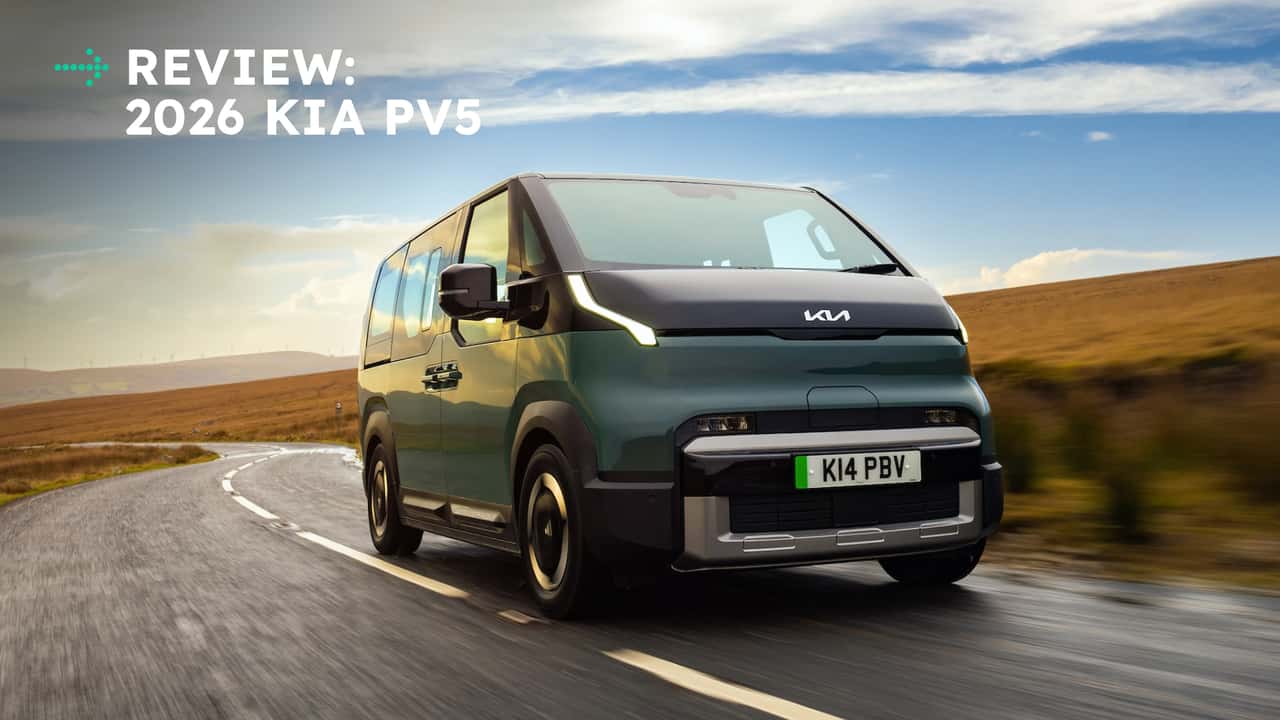
Kia is stepping into new territory with its latest creation, the PV5 — the first of its “Platform Beyond Vehicle” line and a clever attempt to blend the worlds of work and family transport. At first glance, it may seem like just another electric van, but the PV5 has been designed to be far more versatile. Whether you need cargo space for deliveries, room for passengers, or a base for a camper conversion, Kia’s new EV aims to be a blank canvas for just about any use case you can imagine.
The PV5 is available in several versions — from the basic Cargo model to the Passenger configuration, which is expected to be the most popular. There’s even a wheelchair-accessible design and other specialized variants to come. What makes the Passenger model especially interesting is that it’s built for everyday life. It’s not a converted commercial van wearing a shiny badge, nor a traditional multi-purpose vehicle reborn for the EV era. Instead, it feels deliberately designed for people who value space, practicality, and electric efficiency without sacrificing comfort.
Designed With Real People in Mind
Kia didn’t build the PV5 in isolation. The development process involved active collaboration with partners such as Uber and Samsung, bringing insights from both mobility operators and technology experts. The result is a vehicle that reflects how people actually use their cars — whether it’s for ridesharing, family trips, or business. In many ways, what’s good for a ride-hailing driver also happens to make life easier for large families and anyone who juggles multiple transportation needs.
In the U.K., Kia expects to sell roughly 1,250 PV5s in 2026, with the majority being the Passenger Plus model equipped with a 71.2 kWh battery. Globally, the brand hopes to have a quarter of a million PV-branded vehicles on the road by the end of the decade. Those are confident numbers, but the PV5’s mix of design, usability, and affordability suggests Kia might be on the right track.
Specs That Fit the Mission
The PV5 range is based on the company’s familiar E-GMP platform, now adapted into a slightly modified version called E-GMP.S, built to be modular and durable for commercial applications. Performance figures are modest but appropriate for what it is. The 71.2 kWh model produces 160 horsepower and 184 pound-feet of torque, good for a 0-62 mph time of 10.6 seconds. The smaller 51.5 kWh model offers 120 hp and 183 miles of range, while the larger pack stretches that to 256 miles under the WLTP cycle. Charging is quick enough too, with 150 kW DC fast-charging capability allowing a 10–80% charge in about 30 minutes.
Prices begin at around £32,995 (roughly $44,700), with the more feature-rich Plus model pushing just under £36,000. That’s significantly cheaper than its closest lifestyle-oriented competitor, the Volkswagen ID. Buzz, which starts much higher while offering a similar electric-van charm.
A Purpose-Built Interior
Inside, the PV5 prioritizes toughness and function over glamour — a wise decision given its dual commercial and personal role. The cabin layout uses durable materials, which makes it feel ready for years of real-world use, yet it doesn’t come off as cheap. The broad glass area floods the cabin with light, which helps offset the utilitarian vibe. Even with five seats, interior space is generous. The high roofline and flat floor mean rear passengers can stretch comfortably without feeling cramped by the electric battery beneath.
The driving position is upright and commanding, providing excellent visibility thanks to the expansive windows and large mirrors. For the driver, it’s easy to judge the vehicle’s size on narrow roads — something not always true for vans. While the boxy shape can get nudged around a bit by crosswinds, the stability systems are quick to step in and smooth things out.
On the Road
Despite its shape, the PV5 feels reassuringly normal to drive. Steering is light but precise enough for city and motorway driving. Acceleration is adequate rather than brisk, but for family duties or urban delivery work, it’s right on target. Kia includes multiple drive modes — Normal, Eco, and Snow — though keeping it in Normal mode is likely plenty for most situations. Regenerative braking can be customized, and the familiar one-pedal i-Pedal function makes stop-start traffic less stressful.
Noise levels are impressively low, especially at urban speeds, and overall refinement feels closer to a passenger car than a hard-working van. The seats are supportive, visibility is strong, and even though it’s not a luxury cruiser, it doesn’t feel compromised either.
Technology and Efficiency
Kia’s latest infotainment suite appears here too, featuring a responsive 12.9-inch central touchscreen and full smartphone integration through Apple CarPlay and Android Auto. The Plus trim adds a few extras like heated seats, voice commands, and V2L (vehicle-to-load) capability for powering external devices. While Kia claims up to 3.6 miles per kWh efficiency, real-world usage in mixed British conditions brought it closer to 3.2 — still giving roughly 230 miles of range per charge, which is respectable for something of its size.
A Practical EV for the Real World
The PV5 doesn’t try to be flashy or overly futuristic. Instead, it delivers something many EVs overlook: practicality and value without pretense. It has enough passenger comfort to tempt SUV buyers, enough workhorse strength to appeal to tradespeople, and the right price to compete with both. It may not be fast or glamorous, but it’s clever, functional, and dependable — exactly the sort of electric vehicle that could quietly reshape what people think a van can be.
Kia’s bet on a flexible, modular electric van might not sound thrilling on paper, but in execution, the PV5 makes a strong case for being the EV most people will actually need rather than just want.