
Electric Horizons: Key Trends and Updates from the EV Industry in 2024
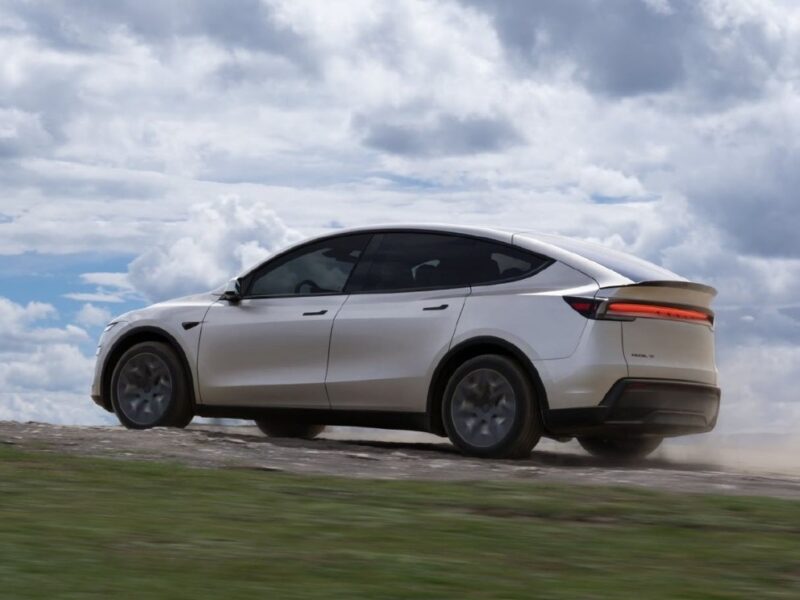
A Global Shift Toward Electrification
The electric vehicle (EV) industry continues to surge in both innovation and acceptance worldwide. Over the past year, we’ve witnessed a remarkable alignment between automakers, governments, and consumers in driving a global transition toward sustainable mobility. From advances in battery technology to new policy frameworks supporting clean energy, the momentum around EVs has never been stronger.
In 2024, the landscape of the EV market is marked by increasing diversity in vehicle offerings, major improvements in charging infrastructure, and a growing focus on local supply chains for critical minerals. This roundup explores key developments identified across major regions and companies — offering a snapshot of the electric future taking shape.
Battery Breakthroughs and Performance Gains
One of the defining stories of this year is the progress in battery technology. Solid-state batteries are beginning to move from the lab to limited production. Several companies have announced prototype vehicles equipped with solid-state packs that promise faster charging, higher energy density, and reduced fire risk. Lithium-iron-phosphate (LFP) chemistry has also seen adoption across new vehicle lines, especially in the mid-range market. Manufacturers are striking a balance between cost, safety, and range, allowing for more accessible EV options.
At the same time, recycling initiatives for used EV batteries are quietly revolutionizing the materials supply chain. Large-scale recycling facilities are now capable of recovering up to 95% of valuable metals like nickel, cobalt, and lithium, reducing pressure on mining operations and aligning with the circular economy principles driving global sustainability goals.
Expanding Infrastructure: Public Charging at Scale
Charging accessibility has historically been a barrier to wider EV adoption, but that narrative is shifting fast. Governments and private operators are investing heavily in building and upgrading charging networks. Ultra-fast chargers capable of delivering 350 kW or more are becoming common along major urban corridors, cutting charge times dramatically. Even more significant are efforts to standardize charging connectors, introduce transparent pricing models, and integrate smart grid technology to manage demand.
Wireless charging, once a distant dream, is now being tested in select urban pilot projects. The ability to charge a vehicle simply by parking over an embedded pad has immense implications for convenience and fleet operations. Public transport systems are also joining the revolution, deploying inductive charging for buses during regular stops, further reducing downtime.
Market Dynamics: New Players and New Priorities
Traditional automakers are being increasingly challenged by nimble startups that specialize in EV-exclusive designs. These new entrants are not only pushing innovation faster but also redefining what consumers expect from electric mobility. From robust off-road EVs to compact city commuters, the product range is diversifying with unprecedented creativity.
China continues to dominate both production and domestic sales, but other regions are catching up. European automakers are collaborating across borders to establish battery alliances, ensuring long-term competitiveness and independence from global supply chain risks. Meanwhile, North American manufacturers are aggressively expanding production capacity, backed by strong government incentives for both consumers and producers.
Renewable Integration and Grid Innovation
The EV ecosystem is increasingly tied to the renewable energy sector. Vehicle-to-grid (V2G) technology is gaining attention as a potential game-changer for electricity management. By allowing EVs to feed power back to the grid during peak hours, energy systems can balance demand and supply more efficiently. Pilot programs in several countries are testing how fleets of connected vehicles can act as distributed energy storage units, offering resilience to power networks.
On the consumer side, smart home integration allows drivers to charge vehicles when electricity is cheapest or greenest. Apps can sync charging schedules with dynamic energy pricing and weather forecasts for solar or wind availability, underlining how EV adoption is part of a broader decarbonization narrative.
Policy Support and Market Outlook
Regulatory landscapes continue to evolve in favor of electrification. Several governments have accelerated their phase-out plans for internal combustion engine (ICE) vehicles, moving up deadlines to as early as 2030. Incentive programs—ranging from tax credits to direct subsidies—remain central to stimulating demand. Moreover, corporate fleet electrification mandates and municipal zoning rules are helping expand the presence of zero-emission vehicles in both private and commercial domains.
Financial markets are also reflecting the maturing confidence in the EV sector. Investments are shifting from speculative funding rounds to structured, long-term partnerships between automakers, utilities, and technology suppliers. As a result, the EV supply chain is becoming more stable, ensuring consistent production even amid global economic fluctuations.
Looking Ahead: The Road to Mainstream Adoption
While challenges remain—such as scaling production sustainably and ensuring equitable access to urban charging—the trajectory of electrification appears irreversible. Consumer perceptions continue to evolve as first-hand experiences of performance, reliability, and lower running costs spread via word of mouth. Increasingly, EVs are not seen as niche or experimental, but as the default direction for the future of mobility.
The coming year promises continued pace in innovation, with new models targeting every imaginable segment of the vehicle market. From everyday commutes to cross-country travel, electric vehicles are set to define not just how we drive, but how we live within a cleaner, smarter, interconnected energy ecosystem. As 2024 unfolds, the EV story remains one of progress, promise, and potential—the dawn of a genuinely electric era.