
2026 Toyota RAV4 Hybrid: A Familiar Favorite Evolved Into a Smarter, More Efficient SUV
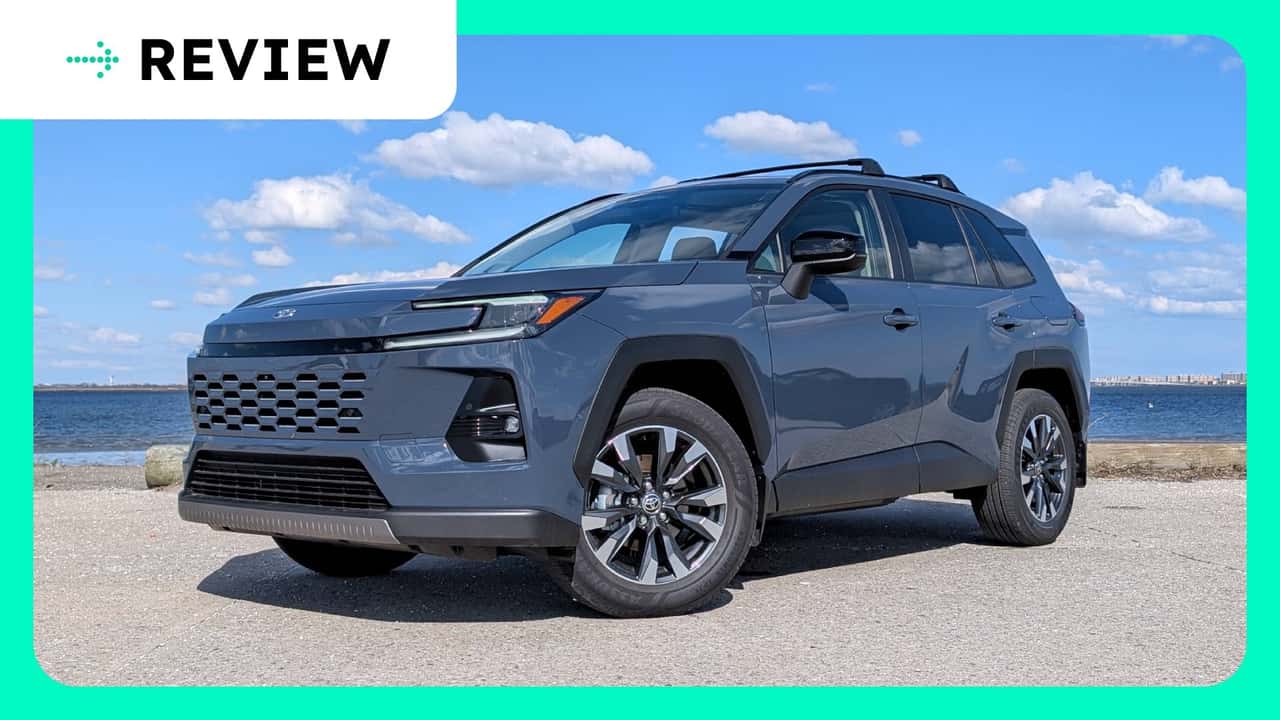
Few vehicles symbolize dependable practicality quite like the Toyota RAV4. For years, it has reigned as America’s top-selling non-truck vehicle, striking a balance between affordability, comfort, and capability. Now, for 2026, Toyota has reimagined its popular crossover—offering refinements in technology, design, and driving performance that push the RAV4 into a new chapter while retaining what made it so beloved.
Smarter Efficiency Without the Plug
Toyota’s RAV4 lineup now consists entirely of hybrid versions, a move that reflects both consumer demand and tightening fuel economy standards. The hybrid system combines a 2.5-liter four-cylinder engine with one or two electric motors (depending on drivetrain), producing 226 horsepower in front-wheel-drive form and 236 horsepower with all-wheel drive. A small 1.0 kWh lithium-ion battery assists in both fuel savings and low-speed electric driving. While it’s not a plug-in hybrid, the RAV4 can glide silently in city traffic for short stretches before the gas engine kicks in.
The result is impressive efficiency. In real-world testing, the RAV4 returned an observed 47 miles per gallon—well above its official EPA combined rating of 41 mpg—and even touched 56 mpg in urban driving. With a fuel tank of 14.5 gallons, this equates to almost 600 miles of range on a single fill-up. It’s the kind of frugality that makes sense in an era of rising gas prices, especially for those not ready to commit to a fully electric car.
Performance isn’t sacrificed for that economy either. The hybrid setup offers brisk acceleration for an SUV in this class, and the electric motor’s instant torque helps smooth out low-speed driving. The continuously variable e-CVT transmission still delivers that familiar “rubber-band” sensation under heavy throttle, but improved cabin insulation keeps the experience refined and quiet.
Design That Balances Familiarity and Modernity
Toyota hasn’t reinvented the RAV4’s appearance but has thoughtfully evolved it. The latest version borrows traits from the redesigned Camry, including a more upright stance and angular LED lighting. A new grille design and C-shaped running lights give the front end a more confident personality without veering into gimmickry. While its overall dimensions—181 inches long, 73 inches wide, and 66.5 inches tall—closely mirror the outgoing model, subtle changes make it feel more composed and SUV-like.
Ride height depends on trim level, with most versions sitting at 8.1 inches off the ground. The Woodland Edition gains a bit more lift for a rugged feel, while the GR Sport sits slightly lower for a tauter stance.
Interior Comfort and Tech: A Massive Leap Forward
Inside, the RAV4 feels genuinely premium compared with its predecessor. Gone are the dated screens and cluttered dash layouts. In their place is a high-resolution 12.9-inch touchscreen (or 10.5 inches on lower trims) paired with a fully digital 12.3-inch gauge cluster. The user interface takes cues from modern smartphones, with quicker responses and easier customization of displays.
Everyday functionality shines as well. Buttons and knobs are positioned where instinct expects them to be, and key driving and entertainment controls fall to hand naturally. Two wireless charging pads, plenty of USB-C ports, and deep storage spaces make the cabin feel designed for real use rather than mere show. Even long drives are made easier thanks to available Softex-trimmed, heated, and ventilated seats that balance comfort with durability.
A clever new addition is Toyota’s built-in dash camera system. Using front, rear, and blind-spot cameras, it continuously records your journeys, saving clips automatically in the event of an incident or on manual command. Though it occasionally triggers false “incident” alerts, the feature eliminates the need for third-party dash cams and can likely be refined through software updates.
On the Road: Comfort Over Cornering
Driving the new RAV4 reveals a clear focus on comfort and composure. Toyota reinforced the frame and suspension mounts for better damping and equipped the vehicle with high-damping adhesives to minimize road vibrations. The suspension setup—independent struts up front and a multi-link rear—absorbs rough pavement and potholes gracefully. It leans toward a cushioned ride rather than sporty handling, an intentional choice that suits families and commuters.
Steering remains light and predictable, though enthusiasts will find the response somewhat muted. The lower trims strike the best balance between ride quality and value, while higher-end versions like the Limited add luxury features at the expense of affordability.
Value Proposition and Competition
Pricing for the 2026 RAV4 Hybrid starts at $31,900 before destination charges, making it slightly cheaper than the previous model’s base hybrid while delivering significantly more technology. Toyota’s decision to drop the pure-gas engine option marks a major shift, positioning the RAV4 as a sensible middle ground between conventional and electric SUVs.
Competitors such as the Honda CR-V Hybrid, Hyundai Tucson Hybrid, and Mazda CX-50 Hybrid each bring strong features, but the RAV4 continues to excel in efficiency and interior intuitiveness. Its new Arene software platform also lays the groundwork for over-the-air updates—something rivals are only beginning to adopt.
The Verdict
Toyota’s latest RAV4 Hybrid doesn’t revolutionize the small SUV segment, but it doesn’t need to. It builds on a winning formula with meaningful improvements in technology, fuel economy, and refinement. It’s comfortable, efficient, and pleasingly functional—a true “set it and forget it” car that meets modern demands without overcomplication. For buyers seeking an extremely well-rounded hybrid SUV, the 2026 RAV4 stands out as one of the easiest recommendations in its class.