
Electric Vehicles Surge Forward: Trends, Innovations, and Challenges Shaping the EV Landscape in 2024
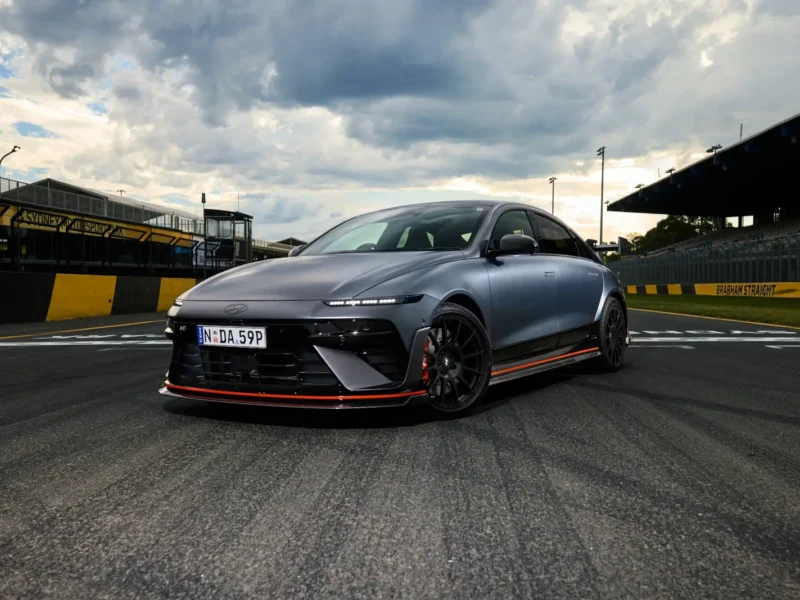
A New Chapter for Electric Mobility
The global electric vehicle (EV) industry stands at a critical juncture in 2024. In just the past year, new technologies, policy frameworks, and market shifts have redefined what consumers expect from sustainable transportation. As more automakers commit to fully electric lineups and national governments double down on clean energy incentives, the EV market is moving beyond novelty into everyday practicality.
The past months have been particularly active, with major announcements from automakers, battery suppliers, and governments. The collective momentum from these developments points toward a maturing market where affordability, range, and infrastructure converge.
Battery Breakthroughs Redefining Performance
One of the most profound evolutions in EV technology continues to be in energy storage. Several companies have announced new solid-state battery technologies, promising greater range and faster charging times compared to conventional lithium-ion setups. Startups and established manufacturers alike are investing in battery chemistries that reduce reliance on scarce materials such as cobalt.
New pilot plants in Asia and Europe are scaling up production of next-generation cells that boast higher energy density and improved thermal stability. Analysts expect the cost-per-kWh of EV batteries to dip below the psychologically significant $80 mark before the end of the decade, putting electric powertrains on cost parity with combustion engines.
Global Policy and the Push Toward Electrification
Governmental support remains a driving force behind EV adoption. Across North America, Europe, and parts of Asia, stronger emission standards have made internal combustion vehicles less economically viable. Meanwhile, incentives—ranging from tax subsidies to free parking and toll exemptions—are making electric mobility attractive for more consumers.
In the United States, updated federal tax credits are now tied to domestic manufacturing and material sourcing, pushing the supply chain toward regional resilience. The European Union’s accelerated timetable for phasing out gasoline vehicles by 2035 has influenced automaker investments and brought forward timelines for EV launches. China's EV-specific policies continue to make it the single largest and most competitive EV market globally.
Charging Infrastructure Expands Rapidly
Charging infrastructure, often deemed the Achilles’ heel of mass EV adoption, saw massive nationwide and international investments this year. Network operators partnered with utilities and governments to deploy thousands of new fast-charging stations. Many of these new installations feature 350 kW charging capabilities, dramatically reducing wait times.
In urban centers, charging hubs that integrate renewable energy sources—such as onsite solar generation—are becoming models for sustainable mobility ecosystems. Rural and highway areas also benefit from the expansion, ensuring long-distance travel is increasingly practical.
Despite infrastructure progress, challenges remain. Charging uniformity, particularly regarding payment systems and hardware compatibility, still varies across regions. Industry consortiums are addressing this with new interoperability standards, but widespread adoption remains a work in progress.
Automakers Race to Differentiate
Traditional automakers have thrown their full weight behind electrification, but competition is fierce. Legacy players like Ford, Volkswagen, and Toyota face off against pure-play electric manufacturers, each seeking to stake their claim with unique design philosophies and performance metrics.
From nimble city commuters to high-performance electric SUVs, the diversity of offerings has never been greater. Segment-specific innovation—such as electric pickup trucks and multi-purpose vans—illustrates how EVs are maturing beyond early-adopter niches. Pricing strategies have also evolved, making mid-range electric models more attainable while luxury brands experiment with programmable interiors and digitally integrated ecosystems.
Sustainability Beyond the Vehicle
Another major trend emerging from the feed of recent EV industry news is a shift in focus from tailpipe emissions to lifecycle sustainability. Automakers are being held to higher environmental standards not only in vehicle operation but also in production and recycling practices.
Recycled aluminum, bio-based composites, and eco-conscious materials are replacing traditional manufacturing inputs. Battery recycling has moved from conceptual to practical, with new facilities capable of recovering as much as 95% of valuable metals. These closed-loop systems are crucial to minimizing the environmental footprint of the global electrification push.
Consumer Adoption and Market Maturity
Consumers are finally seeing electric vehicles as a viable alternative rather than an experiment. EVs accounted for nearly 20% of global new vehicle sales in early 2024, with Europe and China leading adoption rates. Increasingly, the decision to go electric stems not only from environmental awareness but also from convenience—lower maintenance, instant torque, and integrated digital features.
However, affordability remains a concern. While prices are steadily declining, upfront costs are still higher than those for comparable gasoline cars. That gap is expected to narrow as battery costs fall and economies of scale expand production.
The Road Ahead
In reviewing the latest cycle of electric vehicle news, one theme is consistent: momentum. Despite challenges—supply chain volatility, infrastructure hurdles, and global economic pressures—the EV revolution continues with unprecedented pace. Each new model launch, battery innovation, or policy reform contributes to a transforming mobility ecosystem.
As 2024 progresses, the balance between innovation, sustainability, and accessibility will define which players thrive and which fall behind. The electrification of transport is no longer a question of if, but how seamlessly it can integrate into everyday life.
The road ahead glows electric.