
The Electric Vehicle Revolution Accelerates: Key Developments and Trends Shaping 2024
The Electric Vehicle Revolution Accelerates: Key Developments and Trends Shaping 2024
The global electric vehicle (EV) industry is entering a decisive phase of expansion and technological sophistication in 2024. From record-breaking sales to advancements in solid-state batteries, fleet electrification, and cross-sector collaboration, the market shows few signs of slowing down. This article provides a comprehensive overview of recent developments and the emerging landscape shaping the EV industry.
Surging Global EV Sales and Market Share
Electric vehicle sales have continued their rocket-like ascent, outpacing expectations across major markets. In the first quarter of 2024 alone, global EV sales surged by more than 25% compared to the same period in 2023. China remains the world’s largest EV market, accounting for over half of global sales, but Europe and North America are rapidly accelerating adoption. Notably, some European countries now report that fully electric vehicles make up one in three new car purchases.
Analysts credit a combination of government incentives, expanded charging networks, and a growing variety of affordable models for this momentum. Consumers are no longer viewing EVs as niche or futuristic; they’ve become mainstream products offering lower running costs, improved reliability, and advanced digital features.
Battery Innovation: Solid-State Technologies and Beyond
The technological race for superior batteries is at the heart of the EV transformation. 2024 has seen large-scale announcements from several automakers and research groups in developing solid-state batteries — touted as the next leap in energy storage. These batteries promise higher energy density, faster charging, and enhanced safety compared to conventional lithium-ion packs.
In parallel, battery recycling has become an increasingly important piece of the sustainability equation. Companies across Europe and Asia are building facilities to recover valuable materials such as nickel, lithium, and cobalt from used EV batteries. The result is a growing circular economy that reduces environmental impact while cushioning the industry against raw material price volatility.
Charging Infrastructure Expands to Meet Demand
Charging accessibility remains one of the defining barriers to widespread EV adoption. In response, governments and private entities have rolled out expansive plans to boost the number of public and highway chargers. Ultra-fast charging stations capable of delivering 300+ kW are becoming common on major routes, promising to replenish a vehicle’s range in minutes rather than hours.
Urban environments are also evolving to support the transition. Apartment complexes, workplaces, and shopping centers increasingly feature dedicated EV charging spots. Smart-grid integration and dynamic pricing allow the balancing of electricity demand, encouraging off-peak charging and facilitating renewable energy alignment.
Commercial and Heavy-Duty Electrification
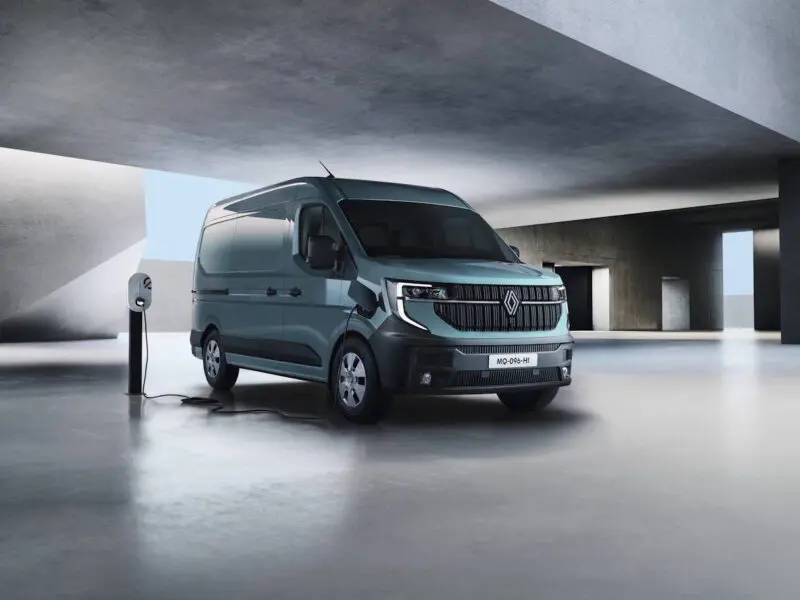
While passenger EVs dominate the conversation, commercial fleets are quietly undergoing their own transformation. Logistics companies and delivery networks have started large-scale electrification initiatives, motivated by regulatory mandates and the potential for efficiency gains. Electric trucks, vans, and buses are becoming common sights in cities worldwide, supported by dedicated depot charging solutions and improved route management systems.
Moreover, several manufacturers are unveiling heavy-duty electric trucks with ranges exceeding 300 miles, designed to handle long-haul routes with competitive total cost of ownership compared to diesel trucks. The shift is particularly significant in reducing emissions from freight, one of the hardest sectors to decarbonize.
Policy, Incentives, and Energy Integration
Policymakers continue to play a crucial role in sustaining the EV surge. Many countries are phasing out internal combustion engine sales by the mid-2030s, accompanied by manufacturing support for local EV production. Subsidies, tax credits, and zero-emission zones have all contributed to nudging consumers and corporations toward electrification.
However, electrification extends beyond vehicle technology — it intertwines with the broader energy system. The interplay between renewable energy generation and electric mobility presents new opportunities for grid management and decentralized energy storage. Vehicle-to-grid (V2G) technology, in particular, is gaining momentum, allowing parked EVs to return stored electricity to the grid during peak hours, thus stabilizing supply and demand.
The Role of Software and Connectivity
The digital dimension of EVs continues to expand as vehicles become rolling computers connected to cloud-based ecosystems. Over-the-air updates now routinely enhance performance, extend range, and introduce new features long after purchase. This shift not only redefines customer relationships but also encourages innovation cycles that mirror the pace of the tech industry rather than the traditional automotive world.
Additionally, AI-driven predictive maintenance, route optimization, and real-time energy management are now integral to the EV experience. Many automakers are developing integrated mobility platforms, merging navigation, charging, and payment solutions under a single interface.
Looking Ahead: Challenges and Opportunities
Despite the impressive progress, the EV transition faces continued challenges. Supply chain constraints for critical minerals, the need for recycling infrastructure, and regional disparities in charging accessibility remain pressing issues. Still, momentum is unstoppable. The industry’s focus on local production, green innovation, and ecosystem partnerships signals that EVs are not just a temporary trend but the foundation of a more sustainable transportation era.
The next few years will likely see fierce competition, breakthroughs in energy storage, and the mainstreaming of electric mobility across every vehicle segment. For consumers, businesses, and policymakers alike, the message is clear: the electric future has arrived, and it’s accelerating faster than anyone expected.