
2027 BMW iX3 Review: A Confident Shift Into BMW’s True Electric Era
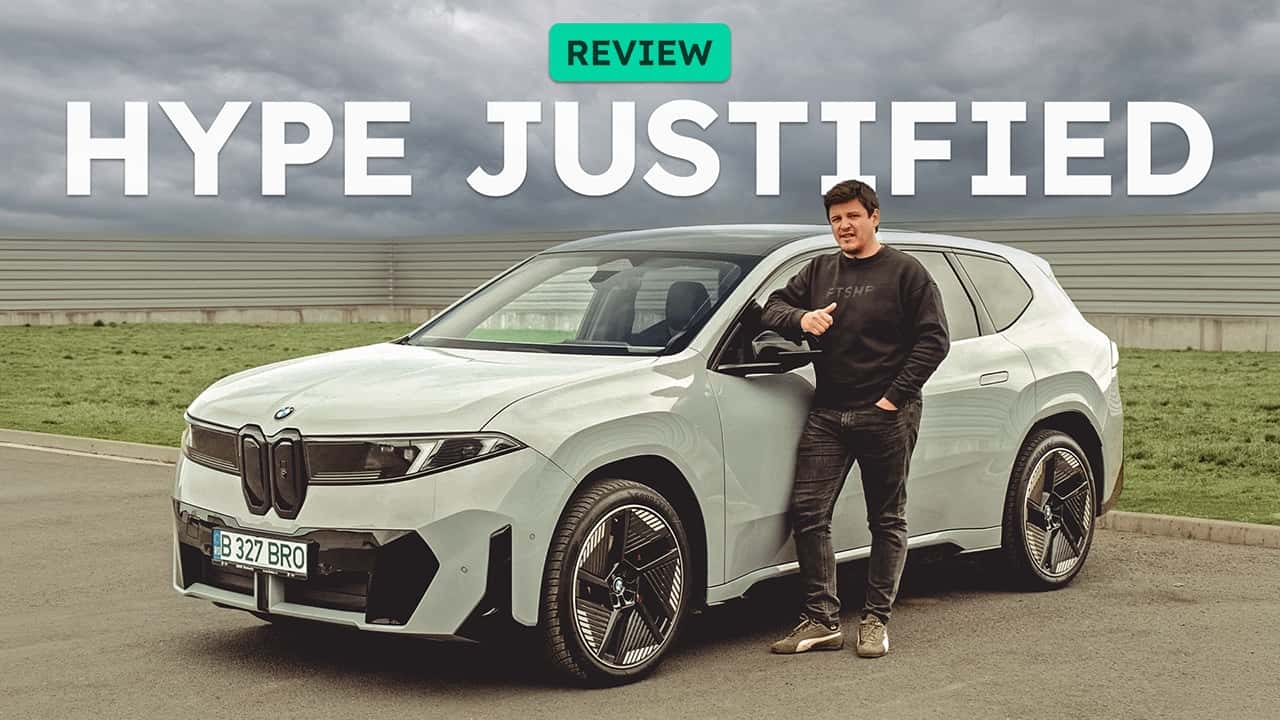
The newest generation of the BMW iX3 represents a pivotal turning point for the automaker—an electric midsize SUV that’s not just a retooled gas model but one conceived from the ground up as an EV. For years, BMW’s electric efforts felt like cautious experiments rather than full-hearted commitments. The iX3 changes that, entering a fiercely competitive field headlined by Audi’s Q6 E-Tron, the Porsche Macan Electric, the Mercedes EQC’s successor, and, inevitably, the Tesla Model Y.
A Platform Built for the Future
Unlike its predecessor, the 2027 iX3 rides on BMW’s Neue Klasse platform, a dedicated EV architecture that will underpin much of the brand’s next generation of electric cars. That structural change pays immediate dividends. The chassis feels taut, the proportions are cleaner, and every major system—battery, motor, electronics, cooling—feels developed around electrical power rather than adapted from combustion requirements.
It’s a sizable vehicle (just over 5,000 pounds) but manages to deliver efficiency figures that challenge smaller rivals, achieving nearly 3.7 miles per kWh in city conditions. A 108.7 kWh battery feeds a dual-motor all-wheel-drive setup producing 463 horsepower and 476 lb-ft of torque. BMW claims a WLTP range of 500 miles and expects EPA numbers to land around 400 miles, with about 380 miles being a realistic real-world figure. For a large SUV with serious performance, that’s remarkable.
Charging That Outpaces the Competition
Perhaps even more impressive is how quickly the iX3 takes on energy. It runs an 800-volt system capable of 400 kW charging through CCS, bringing the battery from 10 to 80 percent in just 21 minutes. Few EVs—even high-end ones—can match that blend of speed and consistency. In an ideal setting, ten minutes at a compatible station gives around 217 miles of driving range, making long-distance journeys both possible and convenient.
Performance and Handling
Numbers only tell part of the story. What truly defines the iX3’s character is how it drives. There’s an immediate familiarity for anyone who’s spent time in a BMW—the precision of the steering, the directness of its responses, and a sense of balance that feels more like a sports sedan than a heavy EV. It’s firm but not harsh, with a poise missing from many electric crossovers that equate silence with softness. Air suspension isn’t offered, but the standard setup feels so well tuned that most drivers won’t mind.
Even though it’s all-wheel drive, the car retains a subtle rear-driven feel. The rear motor, rated at 326 hp, does most of the work, while the smaller front unit engages only when traction demands or full power is required. The result is a sense of liveliness in corners that no rival in its class quite matches.
BMW’s new “Heart of Joy” drive control computer also deserves credit. It coordinates the car’s driving dynamics with remarkable accuracy, predicting grip and power needs before the driver even notices them. The system also contributes to one of the smoothest regenerative braking experiences available—so refined that stopping feels almost like gliding to rest, with no jolt at the end of your slowdown. Add in excellent one-pedal driving and you have a car that feels as natural at slow urban speeds as it does on twisty backroads.
Inside the Neue Klasse
The interior of the iX3 signals a major aesthetic and functional transition for BMW. Gone is the classic iDrive controller; in its place is a combination of touchscreen and voice controls running BMW’s new OS X interface. The look is minimalist but not cold. At first, some elements like the parallelogram-shaped central display or the two-spoke steering wheel seem unconventional, but both prove comfortable and intuitive after a short time.
Space is generous, rivaling that of the larger X5. A flat floor benefits second-row passengers, and despite the sloping roofline, headroom remains more than adequate. Build quality is strong too—soft-touch materials line the cabin in place of the harder plastics that marred the latest combustion-powered X3. One odd omission, though, is the lack of seatback pockets, a strange cost-saving choice in an otherwise well-thought-out interior.
The panoramic display across the lower windshield is among the highlights. It blends head-up and digital-dash functions seamlessly, tailoring information and widgets to the driver’s preferences. Lighting and seats also impress, giving the cabin a premium, tech-forward ambiance without overwhelming you with screens.
Design and Presence
From the outside, the iX3 marks a confident departure from BMW’s recent polarizing aesthetic. Its shark-nosed front end is bold, the rear feels planted, and the proportions come together more cohesively than photos suggest. M Sport versions further enhance the stance, with 21-inch aero wheels and cleaner bumpers. It looks distinctly BMW yet undeniably modern.
Some details, such as the electronically actuated flush door handles, may feel like overengineering, but they add to the sense that this is a car made to show what BMW can do when it truly leans into innovation.
A Complete Electric SUV
In many ways, the iX3 feels like BMW rediscovering its essence—technology meeting driving engagement rather than replacing it. It’s fast, refined, efficient, and deeply satisfying to operate. While rivals may still boast longer spec sheets, more opulent interiors, or showier gimmicks, few match the iX3’s coherence as an overall package. For BMW, this model is not merely another EV but a declaration that its electric future will still be fueled by the joy of driving.