
2027 Volvo EX60: The Electric SUV That Finally Gets It Right
Volvo’s path toward full electrification has not been smooth. The brand’s first dedicated EVs — the compact EX30 and the flagship EX90 — were supposed to set the tone for a new electric era. Instead, they ran into trouble. The EX30’s U.S. debut was torpedoed by tariffs and pricing issues that ultimately doomed it before it even gained traction. The larger EX90, meant to lead Volvo’s high-tech charge, suffered from persistent software bugs and quality delays. Both launches cost the automaker goodwill and millions in sunk costs.
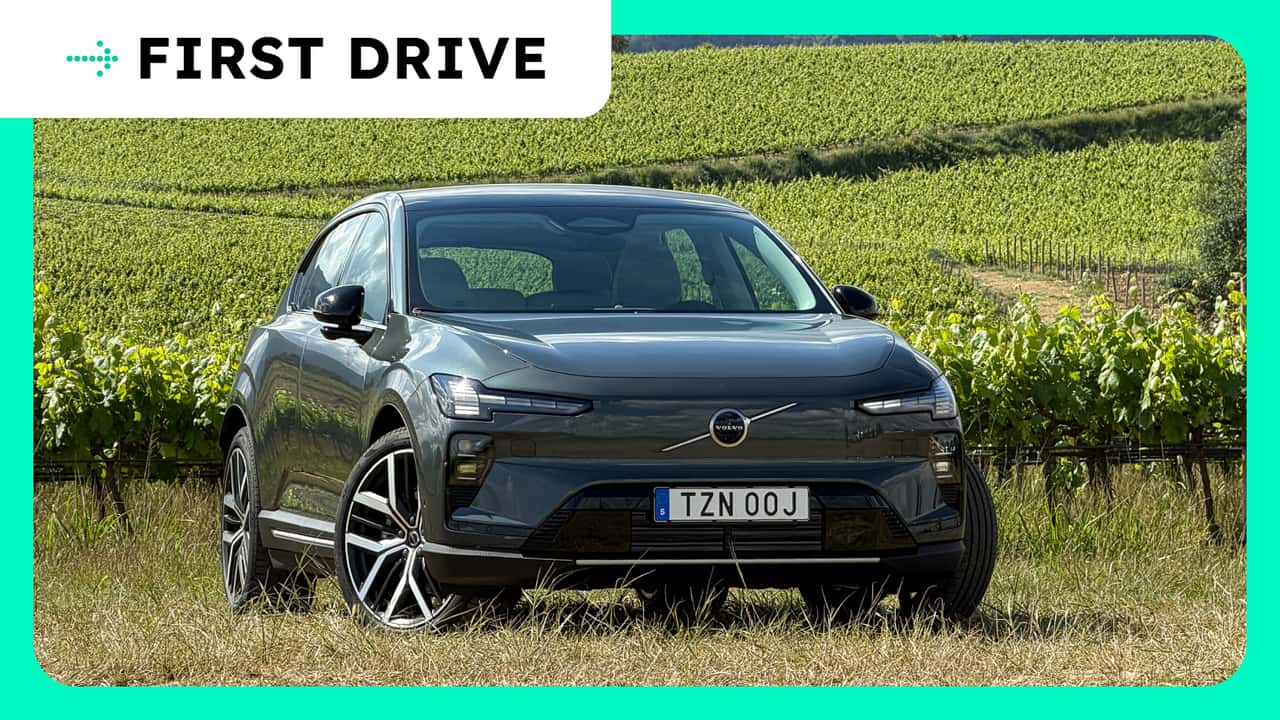
Now, Volvo’s electric momentum rests on a single, crucial model: the new EX60. The midsize electric crossover is positioned to redeem its predecessors and cement Volvo’s EV credibility in a hotly contested segment crowded with the likes of the Mercedes GLC EV, BMW iX3, and Rivian R2.
A Confident Comeback
Early impressions suggest that Volvo may have finally struck the balance it’s been chasing. Tested across the backroads and boulevards surrounding Barcelona, the EX60 impresses with a calm composure that defines the best Volvos of old. It’s nearly silent, polished in motion, and beautifully restrained in its demeanor. While rivals might boast about brute strength or head-turning style, the EX60 charms by being quietly excellent.
Pricing starts at $59,795 for the rear-wheel-drive P6 Plus trim. It comes with a respectable 369 horsepower, 354 pound-feet of torque, and a 0-60 mph time of 5.7 seconds. Efficiency is a particular highlight — the 83 kWh battery delivers an estimated 307 miles of range. Step up to the all-wheel-drive P10 Plus at $62,145 and performance climbs to 503 horsepower and a 4.4-second sprint to 60 mph, while range rises modestly to 322 miles thanks to a 95 kWh pack. Both variants can charge from 10% to 80% in just 16 minutes under ideal DC conditions.
A top-spec P12 model will join later in 2026, pushing range to around 400 miles and output to a staggering 670 horsepower. That version will likely serve as Volvo’s halo offering, demonstrating the full potential of its new EV platform.
Simple, Smart, and Scandinavian
Inside, the EX60 feels like a refinement of Volvo’s modern ethos rather than a reinvention. The minimalist layout remains, but practicality has returned to the foreground. Gone are the controversial two-button window controls borrowed from the EX90; instead, normal switches return to their rightful place. Climate settings move to the central touchscreen, but they’re at least persistent and simple to use. Volume, play, and skip still have physical keys — a nod to human-centered ergonomics that too many brands have abandoned.
Not every decision lands perfectly. The air vents are electronically controlled through the screen, an overly complicated flourish in an otherwise straightforward cabin. Still, materials feel premium, visibility is excellent, and the overall experience exudes comfort and competence. The EX60’s cabin isn’t flashy, but it’s a relaxing space to live in.
The latest digital interface is built on Google’s Android Automotive system, complete with Google Built-In services. The new headline feature is conversational navigation powered by Google Gemini. Drivers can issue natural-language commands like “find a 350 kW charger near a park” or “locate a Supercharger next to a vegetarian restaurant,” and the system responds almost instantly. It’s a significant leap for in-car nav, reducing EV trip-planning anxiety to nearly zero.
Technology That Stays Out of the Way
Despite its sophisticated driver aids and AI integration, the EX60 avoids the sensory overload that plagues many luxury cars. Volvo’s philosophy here is subtle: advanced tech that supports the driver rather than dominates them. There are minimal pop-ups, warnings, or aggressive interventions. The result is an experience that feels serene and intuitive.
One standout feature is the Bowers & Wilkins 28-speaker sound system found in the higher Ultra trims. The setup uses headrest-mounted drivers to deliver individualized sound zones, allowing front passengers to enjoy high-fidelity audio while keeping the rest of the cabin quiet — ideal for long trips with sleeping passengers. In operation, it’s a showcase of what a near-silent EV cabin can enable: immersive listening without distraction.
Driving Character and Perspective
On the road, the EX60 is composed rather than thrilling. The steering is light but accurate, the ride supple but controlled. Volvo’s engineers seem to have embraced the EV’s quiet torque and linear response as extensions of the brand’s longstanding identity — calm, safe, and sophisticated. By removing engine vibration and noise, the EX60 feels truer to Volvo’s character than any recent model. As a spokesperson for the company noted during the media event, “Everything that’s great about this car is great because it’s electric.” It’s hard to argue with that.
A Turning Point for Volvo — and for Luxury EVs
In the luxury midsize crossover class, the EX60’s timing is impeccable. Electric alternatives are now matching or surpassing their gas counterparts in refinement, performance, and price. Compared to the hybrid or mild-hybrid Volvo XC60, the EX60 isn’t just quieter and faster — it’s a more complete and future-ready vehicle. Owners with home charging will find it effortlessly convenient, while public charging improvements further reduce range anxiety.
While the Rivian R2 may appeal to adventurers and the BMW iX3 to driving enthusiasts, the EX60 captures what traditional Volvo buyers value: serenity, safety, and Scandinavian grace. It’s not trying to dazzle; it’s trying to make life simpler and smoother. And in achieving that, Volvo may have finally built the electric SUV it was always meant to make.
The 2027 EX60 stands as proof that the Swedish brand has learned from its early missteps and found a formula that feels authentically its own: understated, intelligent, and deeply relaxing — a quiet revolution, done the Volvo way.