
Global EV Momentum: New Models, Battery Breakthroughs, and Infrastructure Expansion Signal a Rapidly Accelerating Market
Global EV Momentum: New Models, Battery Breakthroughs, and Infrastructure Expansion Signal a Rapidly Accelerating Market
The electric vehicle (EV) industry is experiencing one of its most transformative years yet, characterized by rapid advances in technology, aggressive expansions by manufacturers, and significant commitments from governments and private enterprises toward clean transportation. The collective news emerging from the EV space paints a picture of a market maturing far quicker than analysts expected even two years ago. Through innovations in battery chemistry, major investments in charging infrastructure, and shifts in consumer sentiment, electric mobility is becoming the defining force of the global automotive landscape.
Surge of New Electric Models
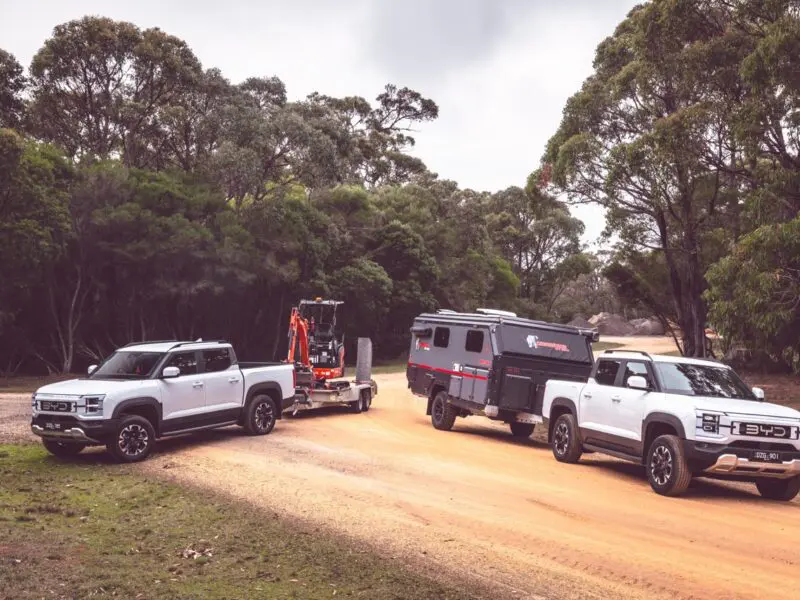
One of the clearest trends across the latest EV news is the sheer volume and diversity of upcoming electric models. Legacy automakers are rolling out vehicles designed to compete directly with established electric brands while new entrants are targeting niche and regional markets. Compact crossovers, full-size SUVs, and next-generation pickups are emerging as dominant formats, driven by consumer demand for versatility combined with emission-free performance.
Manufacturers are increasingly designing platforms specifically for electric drivetrains rather than adapting existing combustion architectures. This shift allows for improved efficiency, larger interior spaces, and greater design flexibility. The performance gap between traditional and electric vehicles continues to narrow as torque-rich electric powertrains outperform combustion counterparts in acceleration and drivability. Recent unveilings demonstrate a focus on affordability, with several automakers targeting price parity with internal combustion models before the end of the decade.
Battery Innovation and Chemistry Evolution
Battery development remains the beating heart of EV progress. Across multiple reports in the recent news cycle, researchers have showcased promising new chemistries that could redefine cost and range expectations. Solid-state batteries have been a key topic, offering prospects of higher energy density, enhanced safety, and faster charging. Several automakers announced pilot production lines for solid-state cells, indicating that commercial deployment could be nearer than anticipated.
Meanwhile, lithium iron phosphate (LFP) chemistry continues to gain favor for mass-market models due to lower material costs and robust cycle life. Improvements in manufacturing and thermal management have made LFP a viable alternative even in colder climates—previously a challenge for this chemistry. Additionally, investments in recycling and second-life applications are emerging as important pillars for sustainable battery supply chains, with dedicated facilities planned in North America and Europe to reclaim valuable materials such as nickel, cobalt, and lithium.
Expansion of Charging Infrastructure
A vibrant charging network is essential for mainstream EV adoption, and the latest updates reveal substantial progress here. Governments are approving new funding programs that support both urban and highway charging corridors. At the same time, private networks are expanding at record speed, embracing open standards to improve interoperability. Ultra-fast chargers capable of delivering 350 kW or more are gradually reducing range anxiety, enabling drivers to recoup up to 80% of their battery capacity in under 20 minutes.
Utility providers and charging companies are also exploring grid integration technologies such as vehicle-to-grid (V2G) and smart charging management, which can balance electricity demand and enhance grid stability. The intersection of EV charging and renewable power generation is becoming a major frontier, with several pilot programs using solar and wind-fed microgrids to power charging hubs.
Market Growth and Consumer Sentiment
Global EV sales continue to rise sharply, bolstered by policy incentives and improved consumer awareness about total cost of ownership. Several key markets, including China, Europe, and North America, reported double-digit growth year over year. Incentives such as tax credits, lower registration fees, and expanding zero-emission zones in cities are combining to motivate buyers to make the switch.
Consumer perception has shifted dramatically. What was once a niche product category associated primarily with environmental enthusiasts has now entered the mainstream. Survey data from across the automotive industry suggests that a growing majority of buyers are considering their next vehicle to be electric or at least hybrid. The combination of lower running costs, better performance, and the social prestige of driving a vehicle aligned with sustainability trends contributes significantly to this momentum.
Supply Chain and Sustainability Challenges
Amid this growth, the EV industry faces ongoing challenges related to mineral sourcing and manufacturing scale. Recent news stories highlight proactive steps being taken to ensure ethical supply chains and reduce reliance on high-risk regions for critical materials. Many automakers are entering long-term agreements with battery suppliers and investing directly in mining operations that employ responsible extraction methods. Simultaneously, circular economy approaches—where batteries and components are repurposed and recycled—are gaining traction.
Environmental sustainability extends beyond just emissions reduction. Automakers are reducing the carbon footprint of their manufacturing plants through renewable energy use and sustainable logistics. The emergence of transparent carbon accounting standards hints at a coming era where consumers can evaluate vehicles not only by performance and price but also by their verified environmental credentials.
The Road Ahead
The confluence of innovation, policy, and consumer demand positions the electric vehicle revolution as one of the most dynamic transformations of the 21st century. With milestones such as falling battery costs, ubiquity of high-speed chargers, and improvements in grid resilience all on the horizon, the momentum shows no signs of slowing. As governments pursue ambitious climate targets and automakers double down on electrification strategies, the road ahead looks increasingly electric—the question now seems not whether EVs will dominate, but how soon.