
A Weekend With the Pebble Flow: The High-Tech RV That Drives, Parks, and Powers Itself
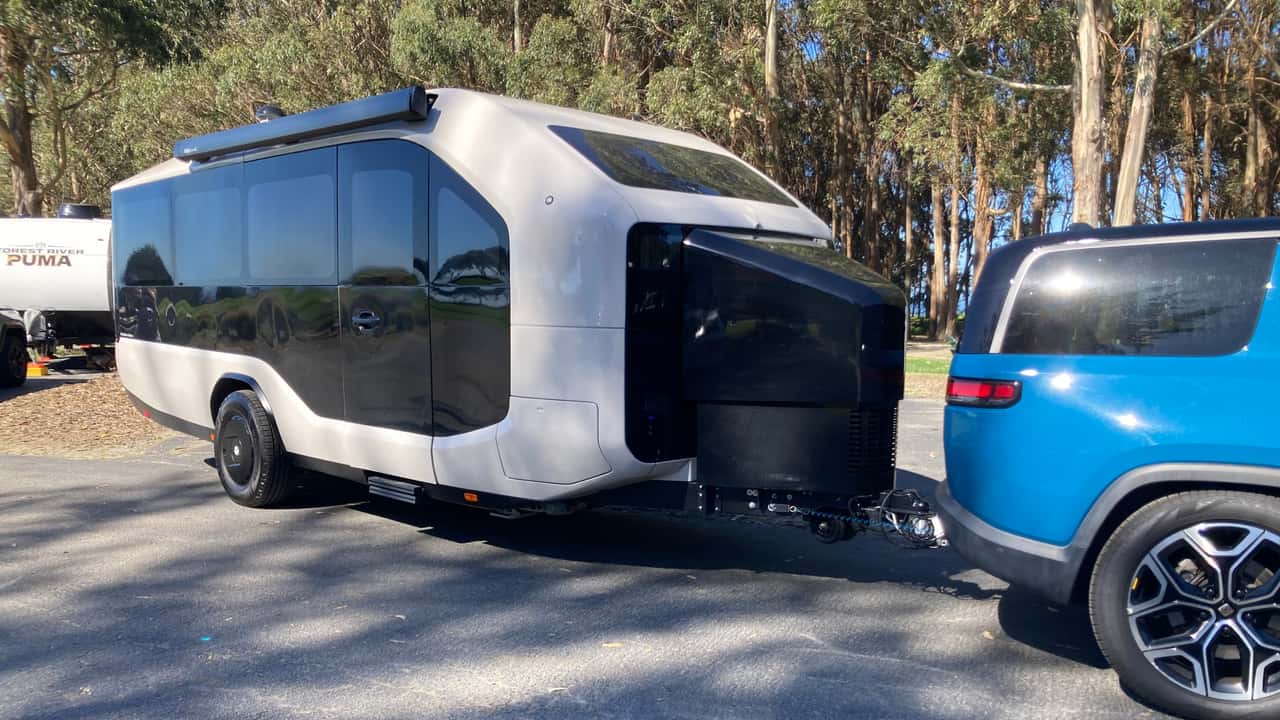
When you pull into a campground towing the Pebble Flow, subtlety is out of the question. Within moments of arriving, curious campers start to wander over, and the questions follow fast—chief among them: does this futuristic RV really park itself? The Pebble Flow, built by a California startup founded by former Apple and Tesla engineers, is shaking up the world of recreational vehicles with a sleek design, EV-friendly technology, and smart automation that make traditional trailers look positively analog.
Pebble’s goal is to reinvent camping for the tech-forward traveler. The company launched its Flow model in 2023, blending aerodynamic design, electric drive assistance, and full digital control through a dedicated iPad and app. The result is an experience that feels less like roughing it outdoors and more like settling into a mobile smart home.
The version tested for a recent weekend getaway was the Founder’s Edition Flow, the top-of-the-line model costing around $179,000. It comes loaded with features such as electrochromatic windows, self-leveling jacks, built-in solar power, and an automatic hitching system. Pebble has since introduced a more affordable Magic Pack trim starting at $139,500, with the same technology offered as optional upgrades. A base model, slated for release around 2026 or 2027, is expected to start at roughly $113,500.
Even for someone with no previous RV experience, the Flow proves disarmingly easy to use. Its built-in systems and automation do most of the heavy lifting, from setup to teardown. Towing the 25-foot trailer behind a Rivian R1S EV takes some getting used to, but Pebble’s clever design eases the anxiety. The trailer can assist with propulsion through in-wheel motors, helping to reduce towing load and increase efficiency. Drivers can select modes like Easy Tow, Coast, or High-Regeneration depending on the trip and energy goals. The onboard 45-kilowatt-hour lithium iron phosphate battery powers everything—the drivetrain, interior systems, and all the creature comforts of a compact home.
Once in motion, the Flow glides smoothly along the highway, its wedge-shaped fairing optimized for aerodynamics. The included iPad Mini acts as mission control, allowing users to raise or lower the fairing, monitor energy usage, and even maneuver the trailer remotely. When arriving at a campsite, there’s no need for tricky parking maneuvers. Using the iPad, the Flow can be detached from the hitch and conveniently driven into position like a massive, slow-moving RC car. Once placed, a tap of the “InstaCamp” button extends stabilizer jacks and automatically levels the RV in minutes. Fellow campers were still fumbling with chocks and shims while the Flow’s owners were already relaxing with a drink.
Packing up is just as smooth: the Flow autonomously repositions itself, aligns to the hitch using cameras, and locks into place. While the auto-hitching process can take a little patience, it still beats manual reversing for anyone new to towing.
Inside, the Pebble Flow is closer to a boutique apartment than a typical trailer. The interior exudes minimalist, modern design – soft-touch surfaces, clean lines, and thoughtful storage occupy every inch of the compact living space. There’s a convertible dining nook that doubles as a guest bed, a small but capable kitchen featuring an induction cooktop and combination air fryer/microwave, and even a full bathroom with impressive water pressure and finishing touches that put many home bathrooms to shame.
Toward the rear, the Flow houses a Murphy bed that folds down from the wall, cleverly integrating an office desk beneath it. When lowered, the desk drops out of the way while keeping small items in place, making it perfect for those working remotely from the road. Massive windows bring in natural light and fresh air, especially the large awning-style rear window that opens wide to the ocean breeze.
All systems—lighting, HVAC, locks, solar management, water levels, and more—are managed through Pebble’s tablet interface. The camper’s electrochromatic windows can switch from clear to opaque at the tap of a screen, offering privacy without blinds or curtains. Power data, water consumption, and solar generation statistics are a few taps away, making it easy to monitor the RV’s self-sustainability in real time. With its solar panels and generous battery, the Flow can operate off-grid for extended periods yet easily connect to shore power and water hookups where available.
Still, no cutting-edge gadget is perfect. Digging through menus for simple functions can get tedious, and the lack of physical light switches means the iPad is indispensable. A couple of windows don’t open, limiting ventilation options, and the storage layout could better accommodate cookware and utensils. But these are small quibbles in what’s otherwise a remarkably cohesive design.
More than the technology, what stands out about the Pebble Flow is how effortlessly it demystifies RV life. For first-timers who might fear the complexity of traditional camping rigs, the Flow transforms the process into something intuitive and—dare we say—fun. Setup is quick, comfort is high, and the attention from fascinated onlookers is inevitable.
If there’s one caveat, it’s that this RV is not for the antisocial at heart. The Flow’s sleek, futuristic silhouette attracts a constant stream of inquisitive fellow travelers. But for anyone intrigued by the idea of blending mobility, sustainability, and luxury, the Pebble Flow makes a compelling case that the future of camping might just be fully electric—and controlled from a touchscreen.