
2027 Lexus ES Goes All-Electric and Hybrid — Quiet, Comfortable, and Surprisingly Affordable
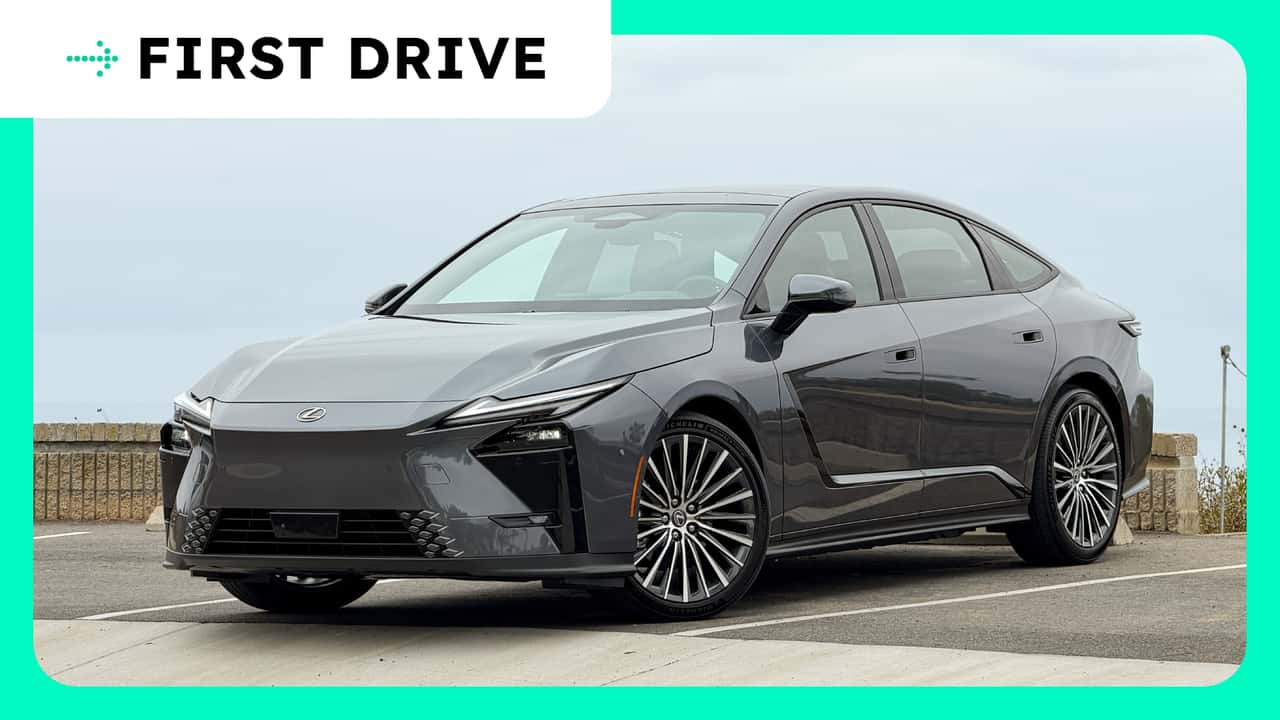
For more than three decades, the Lexus ES has been one of the brand’s cornerstones, representing the calm, cushioned spirit that made Lexus a luxury mainstay. Now, with the LS flagship retiring after almost four decades, the ES takes over as the senior nameplate and unofficial flagship sedan in the lineup. For 2027, it adopts an all-electrified lineup — available exclusively as either a hybrid or a fully electric vehicle.
This marks a significant shift for Lexus, which until recently kept its EVs and hybrids on entirely separate platforms. The new ES blends both options under one banner: the hybrid ES350h and the electric ES350e and ES500e. The idea is simple — whichever version you choose, you get a car that looks, feels, and drives like a traditional ES, with only subtle differences in powertrain and price.
Powertrains and Performance
The hybrid version comes in two flavors: front-wheel drive (FWD) and all-wheel drive (AWD), both producing 244 horsepower. The AWD model hits 60 mph in just over seven seconds, a hair quicker than the FWD, thanks to additional traction.
The entry-level electric, the ES350e, offers 221 horsepower and 198 lb-ft of torque, trading some horsepower for torque and immediacy. Even though it looks slower on paper, the instant response of its electric motor makes the car feel livelier during highway merges or passing maneuvers. The ES500e doubles down with a dual-motor, AWD setup cranking out 338 horsepower, bringing a much sportier edge with a 0–60 mph run of about 5.1 seconds.
Of course, speed comes at the cost of range. The ES350e can travel up to 307 miles per charge, while the more powerful ES500e covers around 276 miles. Both share a 74.7-kWh NCM lithium-ion battery pack and can charge from 10 to 80 percent in about 28 minutes using the new NACS port.
Meanwhile, the hybrids continue Lexus’s tradition of fuel thriftiness, delivering impressive EPA ratings of 48/44/46 mpg for the FWD and 47/42/44 for the AWD.
Comfort and the Driving Experience
Slip behind the wheel, and the ES feels familiar — a sanctuary for those who value calm over cornering thrills. The new generation retains Lexus’s attention to detail: the seats are plush yet supportive, the cabin materials are top-notch, and the noise insulation remains among the best in class.
Despite the added weight of the EV system, the ES maintains its trademark smoothness, though drivers will notice a firmer ride if they opt for the larger 21-inch wheels. The EV models enhance refinement even more, eliminating the minor vibration and occasional harshness from the hybrid’s gas engine. The EV also offers variable regenerative braking for greater customization, though Lexus has yet to embrace full one-pedal driving.
Technology and Features
The 2027 ES introduces Lexus’s latest infotainment system — faster, more intuitive, and built with EV-specific features in mind. The interface now offers route planning that includes charging stops, battery preconditioning, charging schedules, and even vehicle-to-load capability.
It also integrates wireless connectivity, a 5G connection, and digital keys compatible with Apple, Google, and Samsung wallets. A customizable quick-access menu and physical buttons for climate controls make for an ergonomic experience, avoiding the pitfalls of fully screen-based systems.
A built-in dashcam, automatic clip saving after emergencies, and over-the-air updates signify Lexus’s larger step into the connected-car era.
Trims, Luxury, and Add-Ons
Higher-spec EV trims further blur the line between luxury and technology. The Luxury and Executive Packages, available only on the ES350e and ES500e, elevate the experience with semi-aniline leather, digital parking control through the Lexus app, mood lighting, and opulent rear-seat options. Rear passengers can enjoy reclining, massaging seats, a deployable ottoman, and a touchscreen controller for their environment. It’s not exactly a limo, but it feels like one from the back seat.
Value for Money
Perhaps the biggest surprise is pricing. Despite offering more equipment and lower running costs, the ES350e starts at $48,895, making it cheaper than the $51,095 ES350h hybrid. Even the faster, AWD ES500e costs less than its hybrid equivalent.
Operating expenses tilt heavily in favor of the EV. Based on U.S. averages for electricity and premium gas, driving the hybrid costs roughly $1,600 per year in fuel, while the EV’s energy costs hover around $666 for the same distance. Even if gas prices dip or you rely partly on public chargers, the electric version remains the economical choice.
Factor in lower maintenance needs, an 8-year battery warranty, and zero tailpipe emissions, and the EV simply wins on every measurable front — quieter, cleaner, and more cost-efficient.
The Road Ahead
While Lexus expects hybrids to dominate sales in the early years (about 80 percent of buyers), that’s likely due to customer familiarity and caution rather than merit. Many ES owners have garages and reliable access to home charging, making the leap to electric relatively painless.
Time and technology tend to favor progress, and the 2027 ES lineup makes a compelling case for Lexus’s future. The hybrid remains an excellent bridge for hesitant buyers, but the fully electric ES demonstrates the smooth, silent, and sensible luxury experience Lexus has been refining since 1989.
For those ready to let go of gasoline altogether, the new ES EV isn’t just the future of this nameplate — it’s the next logical step in Lexus luxury.