
Five Months with a Used Volkswagen ID.4: A Bargain EV with a Few Quirks
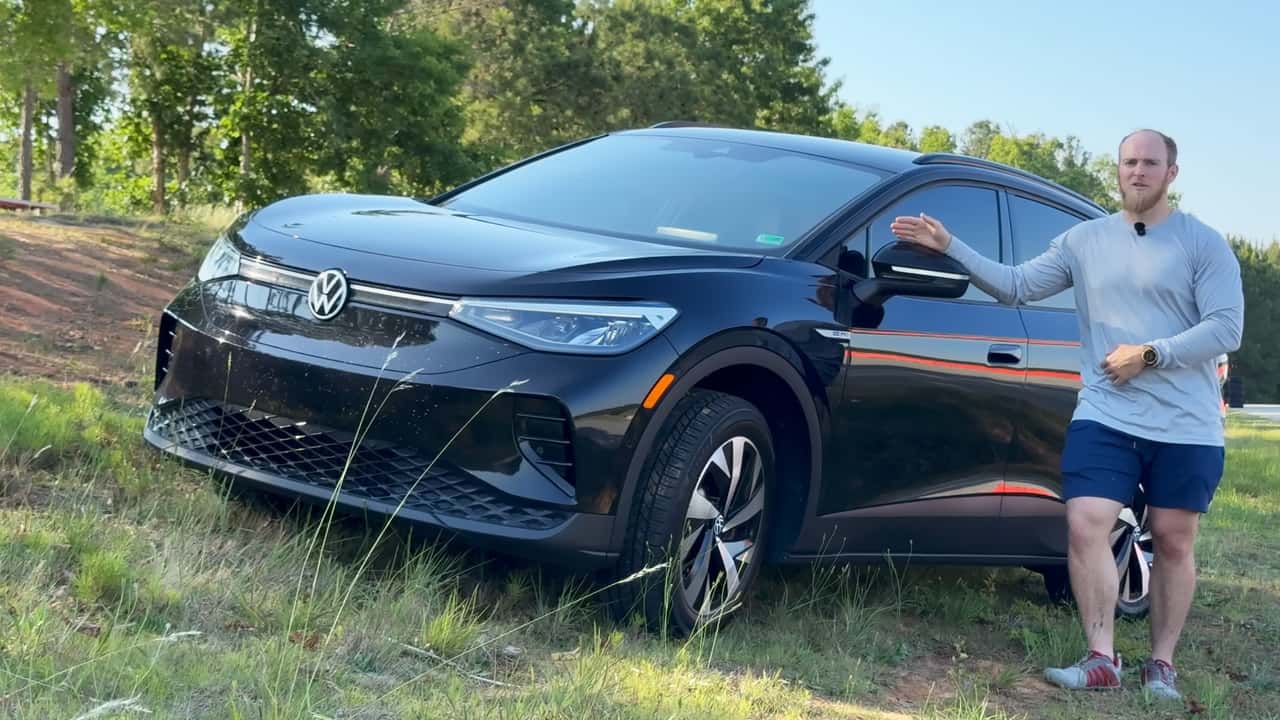
With high fuel prices continuing to make traditional gas-powered vehicles less appealing, affordable used electric cars are increasingly becoming the go-to option for drivers looking to reduce long-term costs. One example that’s been making waves online involves a well-priced 2023 Volkswagen ID.4 AWD Pro purchased by Wes, host of the Out of Spec Bits YouTube channel. After nearly half a year and over 10,000 miles behind the wheel, he’s shared his impressions, both good and bad, of living with the budget-friendly crossover EV.
In December, Wes managed to secure the American-assembled ID.4 for only $19,300—a remarkably low figure for a dual-motor, all-wheel-drive vehicle. At the time of purchase, the odometer showed around 46,000 miles, so it was by no means a new car. Still, considering the model’s family-sized cabin, premium build, and a factory-rated range of 255 miles per charge, it represented an exceptional value. Few sub-$20,000 vehicles on the used market can match that kind of package.
Since adding another 10,000 miles, Wes has discovered that owning a lightly used EV can be rewarding but not trouble-free. He’s documented some small yet persistent issues that have surfaced over these months—most notably with the car’s navigation system. The ID.4’s onboard GPS antenna has struggled to pinpoint the car’s location accurately, making the built-in navigation almost unusable at times. To temporarily restore accuracy, Wes found he could reset the system by pulling a specific fuse, though this fix only lasts a few days before the misbehavior returns.
A more reliable workaround has been to rely on Android Auto, which uses the smartphone’s own GPS chip rather than the car’s onboard sensor. This solution largely bypasses the problem, but the glitch remains an annoyance for anyone expecting seamless integration from a modern EV. While it doesn’t impair the driving experience directly, it’s another reminder that complex software systems can occasionally undermine what is otherwise a refined electric crossover.
Small imperfections also emerged in other areas of the car. A faint rattle from the front passenger side has proven difficult to track down, and Wes has noticed that the rear tires will soon need replacing. This isn’t necessarily unusual—especially for ID.4 models, which have built a reputation for wearing through rear rubber faster than many owners expect. Even though his car sends power to all four wheels, it’s a rear-biased drivetrain, meaning much of the torque goes to the back. The result is strong traction but accelerated wear on the rear tires.
Beyond those mechanical quirks, the topic that stands out most to many potential EV buyers is battery degradation. When Wes purchased the vehicle, a diagnostic report indicated roughly 6% degradation—an acceptable figure for an EV of that age and mileage. Recently, however, data retrieved from the car’s OBD port shows that the usable battery capacity is now closer to 65 kilowatt-hours, suggesting as much as 15% degradation from the original state. If accurate, this would mean that instead of its original 255-mile EPA-rated range, the crossover can now realistically cover around 217 miles on a full charge.
This kind of degradation isn’t catastrophic, but it does raise questions about how battery chemistry and usage patterns, such as frequent fast charging or high-mileage operation, may influence longevity. For budget-minded EV shoppers, it’s a reminder that used electric cars can vary widely in effective range, even if they appear similar on paper.
Wes’s particular ID.4 also happens to fall under a broader battery-related recall that affects North American units equipped with SK On-manufactured cells. Volkswagen’s official recall notice advises owners to limit charging to 80% and to avoid using DC fast charging until a software solution is installed. The recall was triggered after four incidents involving battery fires. To resolve the issue, Volkswagen is deploying a self-discharge detection (SDD) software update, designed to monitor cell performance and prevent safety hazards. If the system detects irregularities suggesting potential module defects, the affected sections of the battery pack will be replaced at no cost to the owner.
Despite the recall, the GPS hiccups, and the minor wear-and-tear concerns, Wes remains impressed with his purchase. He describes the ID.4 as “incredible for the money,” emphasizing the balance of practicality, driving comfort, and premium feel that would be hard to find elsewhere in its price category. The EV’s quiet ride, spacious cabin, and robust build quality reflect the benefits of Volkswagen’s engineering philosophy, even in a pre-owned example.
Ultimately, the story underscores a broader reality about the growing used-EV market. As more early electric models rack up miles and re-enter circulation, they open opportunities for affordability while also introducing new variables for buyers to consider. Battery health, recall status, and charging limitations will all play roles in determining whether such a purchase truly pays off in the long run. Still, for Wes—and perhaps for many similar shoppers—the combination of low purchase cost and manageable compromises makes the used ID.4 a noteworthy option for anyone ready to leave the gas pump behind.