
Electric Vehicles in 2024: Trends, Innovations, and Challenges Ahead
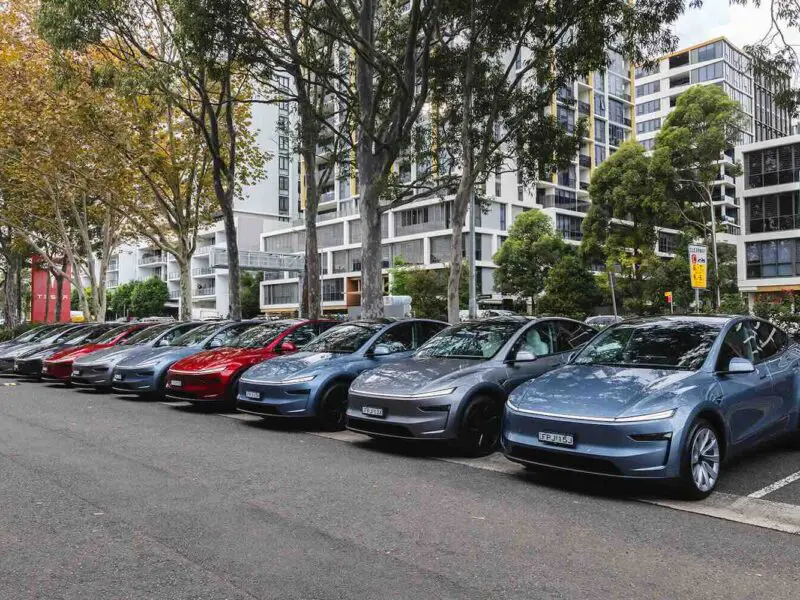
The Fast-Accelerating World of Electric Vehicles in 2024
Electric vehicles (EVs) continue to surge across the global automotive landscape, with governments, automakers, and consumers increasingly aligning toward a zero-emission future. As we move deeper into 2024, it’s clear that the EV industry has shifted from a niche environmental choice to a central pillar of mobility and sustainability. The latest news, innovations, and market moves reveal a dynamic mix of opportunities and challenges shaping the road ahead.
Market Expansion and Consumer Shifts
Global EV adoption has crossed record-breaking thresholds this year, with sales projections showing over 18 million new electric cars expected to be delivered by the end of 2024. Markets in Europe, North America, and Asia continue to lead the charge, while developing regions in Latin America and Africa show early but promising signs of growth.
China remains the dominant force, accounting for nearly half of global EV sales. Its local giants such as BYD, NIO, and XPeng are not just expanding at home but also making strong pushes into Europe and Southeast Asia. Meanwhile, U.S. manufacturers like Tesla, Rivian, and General Motors are diversifying their line-ups, offering more affordable EV options that appeal to middle-income consumers.
One of the most notable shifts is the growing preference for compact and crossover EVs—vehicles that balance range, price, and practicality. Automakers are responding by releasing more competitive models under $35,000, accelerating mainstream adoption.
New Battery Technologies on the Horizon
The EV revolution has always depended on one critical factor: the battery. Researchers and manufacturers have made significant strides in enhancing battery performance through innovations such as solid-state cells, silicon anodes, and sodium-ion chemistry.
Solid-state batteries have long been heralded as the next big step for electric mobility, promising faster charging times, increased energy density, and improved safety. Several major battery producers—CATL, Panasonic, and QuantumScape among them—have announced prototype successes, with production-level implementation expected by 2025 or 2026.
At the same time, sodium-ion batteries are emerging as a lower-cost alternative for entry-level EVs. These cells use more abundant and less expensive materials, making them ideal for developing markets where affordability is key. Manufacturers are exploring hybrid battery systems that combine lithium and sodium chemistries for optimized performance and longevity.
Charging Infrastructure: Expanding but Uneven
A persistent challenge for global EV adoption remains the availability and consistency of charging infrastructure. In most developed markets, fast-charging networks are growing rapidly. Companies like Electrify America, Ionity, and Tesla’s Supercharger network continue to set benchmarks in ultra-fast and reliable charging service.
However, disparities persist. Rural and remote areas often lag behind in charging access, which could hinder broader adoption. Several governments have announced large funding programs to bridge this gap. The United States, for instance, is rolling out its National Electric Vehicle Infrastructure (NEVI) program, while the European Union expands its Alternative Fuels Infrastructure Regulation (AFIR) initiative.
The integration of bidirectional charging—where EVs can feed electricity back to the grid—also represents a radical shift. Vehicle-to-grid (V2G) technology promises to transform EVs into mobile energy storage units, potentially stabilizing electric grids during peak demand and reducing energy costs for consumers.
Sustainability and Supply Chain Concerns
As the EV industry grows, so does scrutiny over its environmental and ethical footprint. The demand for raw materials such as lithium, cobalt, and nickel continues to spark debates about mining practices, sustainability, and labor conditions. Companies are increasingly investing in recycling initiatives and alternative sources to reduce dependency on virgin materials.
Battery recycling programs are advancing rapidly, particularly in Europe, where closed-loop systems ensure materials are recovered and reused efficiently. New startups are pioneering chemical recycling methods that recover up to 95% of valuable metals, dramatically cutting waste.
Sustainable production also extends to the manufacturing of EV components beyond batteries. Automakers are using recycled plastics, bio-based materials, and low-carbon aluminum to further reduce emissions across the supply chain.
Policy, Incentives, and the Global Push for Zero Emissions
Governments remain key drivers of EV momentum. Updated emission regulations, purchase subsidies, and tax incentives are being introduced or extended across regions. The European Union is reinforcing its 2035 combustion-engine ban, while California and several other U.S. states have similar timelines.
Meanwhile, India has implemented aggressive policies for local EV production, pushing its ‘Make in India’ initiative in tandem with battery manufacturing incentives. These programs not only spur EV adoption but also aim to lessen reliance on imported energy sources.
Challenges Ahead and the Road Forward
Despite remarkable advancements, the EV industry still faces hurdles. Charging speed consistency, grid capacity, raw material volatility, and consumer misconceptions about range remain pressing concerns. Yet, each year brings technological breakthroughs and policy shifts that chip away at these barriers.
As we navigate 2024, the EV industry stands as a beacon of innovation. The acceleration of clean transport isn’t slowing down—it’s transforming cities, economies, and daily habits. The evolution of electric mobility is now beyond question: it is not just the future of driving; it’s the future of a cleaner, more sustainable world.