
2027 Chevy Bolt: A Budget EV Reborn With Smarter Range, Familiar Charm, and a Few Rough Edges
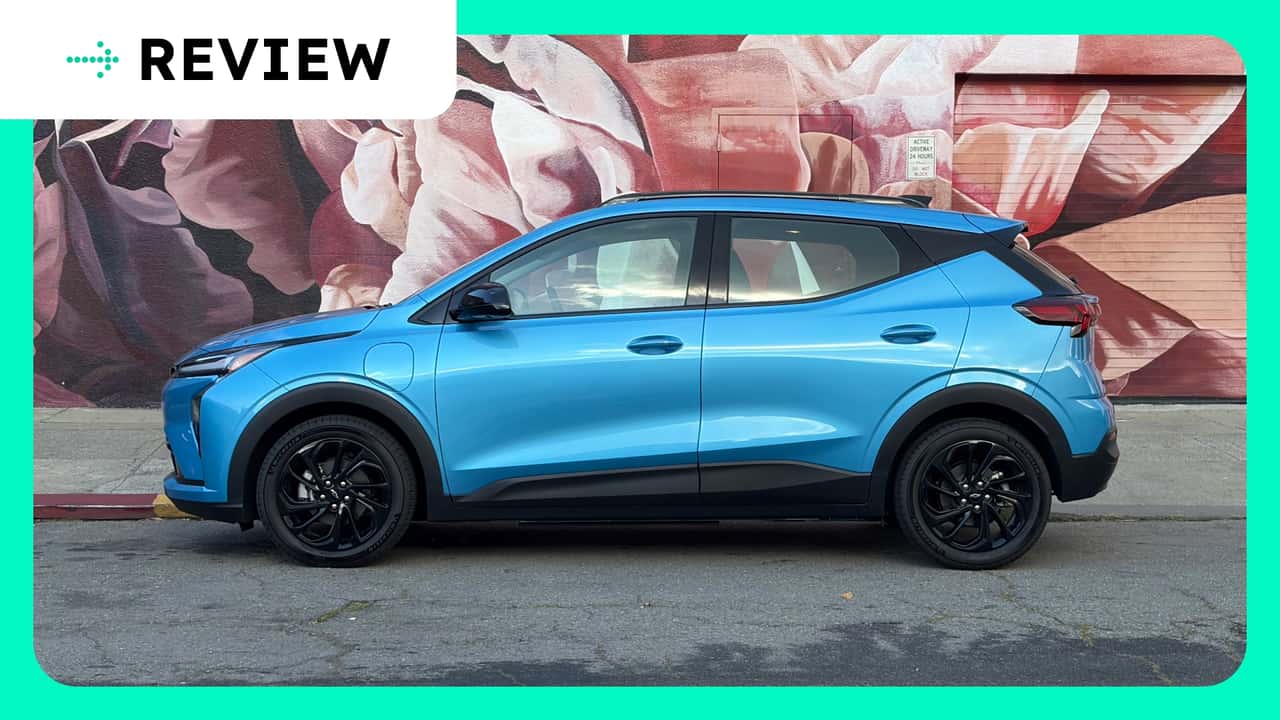
Chevrolet has revived its most affordable electric vehicle for a limited encore, and the result is a surprisingly capable and city-friendly EV that manages to feel both familiar and refreshed. The 2027 Chevy Bolt returns as a compact crossover electric car that promises more range, faster charging, and a smoother everyday experience—though it’s not without compromises.
A Return to Simplicity and Value
At a time when most new electric vehicles carry price tags well north of $40,000, the Bolt’s sub-$30,000 starting price makes it an outlier in the best possible way. Chevrolet’s decision to bring it back, even briefly, reflects an understanding that there’s still strong interest in affordable EVs. For drivers looking for a small, practical, electric runabout, this revived Bolt makes a strong case.
Even though the previous Bolt ended production in 2023, this 2027 model feels much more current. It combines the approachable dimensions of its predecessor with a range of updates that modernize its performance, charging, and interior usability—all while retaining the tidy footprint and easy handling that made the earlier version so well-suited to urban life.
More Range and Faster Charging
The 2027 Bolt’s major upgrade is its new lithium iron phosphate (LFP) battery pack, rated at 65 kWh. That chemistry isn’t just cost-effective—it’s known for long life and thermal stability, reducing worries about degradation over time. The result is an improved EPA-rated range of 262 miles, around 15 miles more than before. While that’s still less than what pricier rivals like the Tesla Model 3 or Hyundai Ioniq 6 offer, it’s easily enough for daily commutes and weekend getaways.
Charging has also seen a meaningful boost. The revised Bolt can now handle up to 150 kW on a DC fast charger, enabling a 10% to 80% top-up in just about 26 minutes. That significantly improves its road-trip viability—a weak point in previous iterations. While few owners are likely to rely heavily on public fast chargers, knowing you can add over 150 miles of range in half an hour is a relief in today’s EV landscape.
Power and Performance
Under the hood—or rather, the front floor—sits a single front-mounted electric motor producing 214 horsepower and 169 lb-ft of torque. The result is lively, if not sporty, performance. Acceleration from zero to 60 mph takes about 6.8 seconds, making it feel zippy for city driving but falling short of high-performance EVs. Still, for an entry-level model, it offers more than enough punch to merge smoothly onto freeways or dart through traffic.
Instant torque remains one of the great joys of driving an electric vehicle, and the Bolt makes full use of it. Drivers used to small, gas-powered crossovers will find the responsiveness refreshing—it feels quicker and more eager than its modest power figures suggest.
Ride and Comfort Trade-Offs
Affordability doesn’t come without trade-offs, and in the Bolt’s case, ride quality is the most noticeable compromise. On bumpier pavement, the suspension can feel stiff and jittery. The seats, meanwhile, err toward the firm side, offering little cushioning against rough surfaces. That said, on smooth highways or city streets, the car settles down nicely, delivering a comfortable and quiet ride.
The compact footprint—coming in at roughly 169.6 inches long—makes it a breeze to maneuver and park in dense urban areas. Despite these small exterior dimensions, interior space is surprisingly generous. Even taller occupants will find good headroom and legroom in both the front and rear seats, surpassing rivals like the Nissan Leaf, which can feel cramped by comparison.
Smart Interior and Surprising Practicality
Every inch of the Bolt’s cabin feels designed with practicality in mind. There are hidden compartments across the dashboard, smart storage cubbies in the console, and adjustable cupholders that can adapt to different drink sizes or even hold a smartphone securely. These thoughtful touches subtly elevate the day-to-day usability of a car priced for the masses.
Fit and finish do reflect the vehicle’s budget nature. Hard plastics dominate most surfaces, and soft-touch materials are used sparingly. Yet everything feels solid and ergonomically sound, and the faux leather seats of the RS trim look pleasantly premium from a distance. Rear passengers may notice some missing amenities—such as seatback pockets or padded armrests—but overall, the cabin feels well-executed for the price point.
Tech Without the Apps—But It Works
One controversial choice across GM’s newest models is the removal of Apple CarPlay and Android Auto support. While longtime smartphone integration fans might balk, Chevrolet compensates with a polished infotainment system built around Google Built-In software. Native Google Maps, Assistant, and Play Store integration make it one of the smoother proprietary systems around. A particularly clever feature allows users to display navigation directly within the digital gauge cluster for easier viewing.
The overall presentation is clean, intuitive, and quick to respond—something that can’t be said for every automaker’s interface. Even if some drivers miss the convenience of plugging in their phones, most will find this built-in system more than capable.
A Short Lifespan, but a Bright Moment
Perhaps the most bittersweet aspect of the 2027 Bolt’s return is its brevity. GM plans to produce it for only about a year before transitioning the same factory to build gas-powered models. Given its combination of price, range, and practicality, that limited window feels like a missed opportunity to sustain an affordable EV option in a market increasingly dominated by premium models.
Still, for buyers ready to make the jump to electric without breaking the bank, this updated Bolt stands out as one of the smartest and most realistic choices available. It’s not perfect, but it doesn’t need to be—it’s honest, efficient, and fun in the right ways. If you’ve been waiting for an accessible electric car that makes sense in real life, this may be your last, best shot to grab one before it disappears again.