
Xiaomi’s SU7 Ultra: A $75,000 Electric Super Sedan That Rivals Europe’s Best
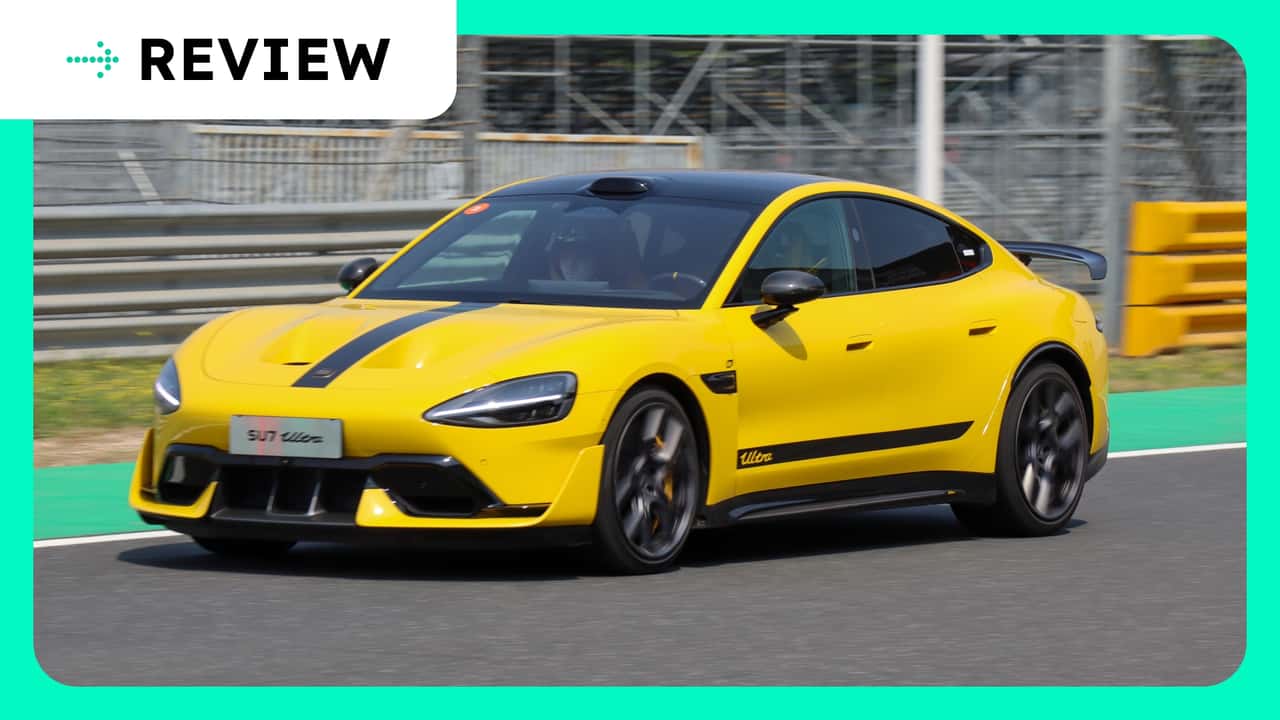
When Xiaomi’s founder and CEO Lei Jun first hinted at creating a high-performance version of its SU7 electric sedan, many assumed it was just another bold move from China’s fast-growing tech giant. But the 2024 Xiaomi SU7 Ultra has arrived — and at around $75,000, it may be one of the most astonishing values in the electric performance world.
At a glance, the SU7 Ultra embodies Xiaomi’s long-held philosophy: deliver cutting-edge technology similar to the most prestigious brands, but at a price that makes it accessible to far more people. In this case, the company has applied that same formula not to smartphones or smart homes, but to an electric super sedan capable of matching cars from Porsche, BMW, and Audi at a fraction of their cost.
Power and Performance That Challenge the Supercar World
The numbers speak for themselves. The SU7 Ultra produces a monumental 1,526 horsepower and 1,305 lb-ft of torque from a tri-motor all-wheel-drive system — two motors in the rear, one in front — all developed in-house by Xiaomi. The result is a car that can sprint from 0 to 62 mph in just 1.98 seconds and reach a top speed of 217 mph. These figures put it right in the company of dedicated hypercars, yet the price tag places it squarely in the realm of premium sedans.
Xiaomi equips the car with a 93.7 kWh battery pack from CATL, capable of a maximum discharge rate of 1,330 kW. Even when battery levels drop below 20%, the car can still draw an astonishing 800 kW. Range estimates under China’s CLTC testing standard reach 391 miles, a strong figure for a performance-oriented EV.
Those numbers alone might grab headlines, but Xiaomi didn’t stop there. The SU7 Ultra has been developed with track performance in mind, particularly around the infamous Nürburgring. It features a host of aerodynamic upgrades — including a prominent rear wing, sculpted splitters, and functional brake cooling ducts — that help it slice through corners with confidence. The braking system itself is equally extreme: carbon ceramic rotors that Xiaomi claims are the largest ever fitted to a production sports car. These brakes can endure temperatures up to 2,300 degrees Fahrenheit, and the regenerative system alone can recapture up to 400 kW of power — roughly equal to the performance of a Porsche Taycan’s advanced energy recovery system.
The Driving Experience
Testing at Tianjin’s V1 Automobile World racetrack — a facility large enough to fully explore the car’s capability — revealed what the SU7 Ultra is truly like to drive. Despite its supercar-worthy performance, it’s remarkably approachable. The car’s electronic systems and chassis tuning work together to make all that power feel controllable. Even under heavy acceleration, abrupt braking, or mid-corner mistakes, the car helps the driver find composure instead of punishing them.
The steering is direct and weighty, giving a sense of precision even if some enthusiasts might wish for a touch more feedback. The suspension, particularly with the optional $13,000 track package, balances grip and comfort impressively well. That package adds forged aluminum wheels, a carbon roof, Bilstein EVO R adjustable coilovers, and sticky Pirelli P Zero Trofeo RS tires — equipment that transforms the SU7 Ultra into a legitimate track star. The as-tested price of around $88,000 still feels like an incredible bargain compared to European electric sports sedans that cost several times more.
Even when driven at its limits, the SU7 Ultra seems almost effortless to manage. Cornering comes naturally, the power delivery is smooth and immediate, and traction control intervenes seamlessly when needed. For a first attempt at a truly high-performance vehicle, Xiaomi’s engineering team has nailed the fundamentals and then some.
Chinese Engineering Steps Up
Critics have long accused Chinese automakers of lagging behind in driving dynamics, even when their vehicles boast high-quality interiors and generous features. But the SU7 Ultra challenges that perception head-on. The car doesn’t just rely on raw power or flashy marketing — it feels well tuned, cohesive, and exhilarating to drive.
What makes this achievement even more striking is that Xiaomi managed it before fully staffing its new European R&D center in Munich. The tuning and development work were done primarily by Xiaomi’s domestic engineering teams. If this is the result of their first major effort, it raises expectations even higher for what Xiaomi’s global collaboration could produce next.
Accessible Speed, Global Implications
Unfortunately, geopolitical and regulatory realities mean the SU7 Ultra is unlikely to reach markets like the United States anytime soon. Concerns about data security and bans on Chinese connected car technology make that scenario improbable. Nonetheless, its existence marks an important milestone — not only for Xiaomi as it expands beyond consumer electronics, but for the global perception of Chinese automotive engineering.
The SU7 Ultra proves that China can develop an EV that isn’t just fast or affordable but genuinely exciting to drive. It delivers performance once reserved for the ultra-rich while remaining within reach of upper-middle-class buyers. Lei Jun’s ambition to make a “supercar for the masses” suddenly doesn’t sound so far-fetched.
Ultimately, the SU7 Ultra is more than a showcase of numbers — it’s a statement that driving passion can coexist with technological sophistication and accessibility. It represents a step toward democratizing high-performance electric vehicles, and it signals that China’s automakers aren’t merely catching up with Europe — in some ways, they’re already ahead.