
The Electric Revolution Accelerates: Highlights from the Latest EV News
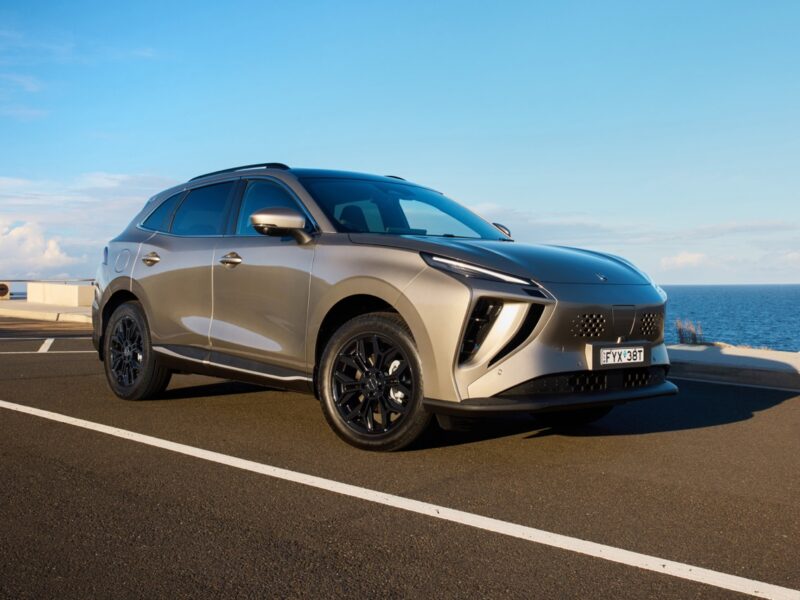
The Global Shift Toward Electric Vehicles
The electric vehicle (EV) industry is continuing to gather momentum, underscored by a wave of recent developments in manufacturing, battery technology, and public policy. What was once a niche segment has now become the centerpiece of the automotive future. From major automakers announcing ambitious electrification timelines, to start-ups pushing the boundaries of design and technology, the pace of change has accelerated dramatically over the past year.
Across global markets, the momentum shows no signs of slowing. Sales of electric vehicles have surged, with more than 14 million expected to be sold worldwide in 2024, representing roughly 20% of total vehicle sales. Several factors drive this growth—tighter emissions regulations, improved charging infrastructure, increasing model diversity, and falling battery costs. Together, these elements form the foundation for the next great transportation transformation.
Expanding Model Lineups and Lower Price Points
One of the more striking trends is the broadening of EV model lineups across various price points. Earlier, the market was dominated by high-end vehicles targeting luxury consumers. Now, automakers are focusing on affordability and accessibility. Compact crossovers, family sedans, and small hatchbacks are increasingly entering production lines as manufacturers recognize the need to appeal to mainstream consumers.
This broader spectrum of models brings new competition across every segment. Newcomers to the market are not merely following established designs but are bringing innovation in range, charging speed, and in-vehicle intelligence. Consumers, in turn, are benefiting from improved performance, greater choice, and more competitive pricing.
Battery Technology Breakthroughs
The race toward improved battery performance remains at the core of the EV revolution. Recent advances in battery chemistry, particularly the scaling up of solid-state battery research, promise significant gains in both energy density and safety. Some companies have announced prototypes capable of exceeding 600 miles on a single charge, while others are investing heavily in next-generation lithium-iron-phosphate (LFP) chemistry to reduce costs.
In tandem, the expansion of battery production capacity across Europe, North America, and Asia continues to address supply chain challenges. Gigafactories are being built at a record pace, signaling a shift toward more localized manufacturing. This regionalization not only reduces transportation emissions and costs but also mitigates geopolitical risks associated with critical materials.
A key factor in making EVs even more sustainable lies in battery recycling. New facilities and startups are focusing on closed-loop systems that recover valuable elements like lithium, nickel, and cobalt. These emerging supply chains could transform the sustainability profile of electric vehicles in the years ahead, reducing the industry’s reliance on virgin mining.
Charging Infrastructure and Range Confidence
As more consumers adopt electric vehicles, accessibility to reliable charging infrastructure has become paramount. Governments and private companies alike are investing heavily in expanding networks of fast chargers across highways and urban areas. The latest generation of chargers now offers ultrafast capabilities—up to 350 kW—cutting charging times to minutes rather than hours.
Interoperability is also being standardized. Global alliances between car makers and charging network operators are leading to universal plug formats and unified payment systems, making EV ownership more convenient than ever. Efforts are also underway to integrate charging with renewable energy sources like solar and wind, paving the way for truly zero-emission travel.
Policy and Market Shifts
Government incentives remain a strong catalyst for adoption. Regulatory frameworks that promote clean energy vehicles—through tax credits, emissions standards, and direct subsidies—have continued to evolve. In many regions, this has spurred not just consumer interest but also corporate fleet electrification. Logistics and delivery companies, for example, are embracing electric commercial vehicles to cut emissions and reduce long-term operating costs.
At the same time, emerging markets are rapidly embracing the electric revolution. Nations in Asia, Africa, and South America are witnessing their own EV surges, supported by lower-cost models and local assembly initiatives. The democratization of EV technology suggests that the shift won’t be limited to wealthier economies.
The Road Ahead: Beyond Cars
Looking beyond passenger vehicles, electrification is spreading to adjacent segments. Electric buses, two-wheelers, and even commercial trucks are becoming mainstream. Innovations in heavy-duty powertrains are showing that electrification is viable even for long-haul logistics, historically dependent on diesel fuel.
The aviation and marine sectors are also exploring electrification. Hybrid-electric systems for aircraft and battery-powered ferries are moving from concept to reality, expanding the scope of electric mobility far beyond roads.
A Holistic Ecosystem of Change
The transition to an electrified transportation landscape is more than just about vehicles—it’s reshaping energy demand, urban planning, and even personal mobility habits. Smart grids, vehicle-to-grid systems, and shared mobility services are converging to create an integrated ecosystem, where vehicles, infrastructure, and energy flow dynamically interact.
The past year’s EV news serves as a reminder that innovation in transportation is not slowing—it’s compounding. With new technologies maturing and policy frameworks aligning, the 2020s are set to be the decade that defines the electric generation of mobility. Whether you’re an early adopter, investor, or simply watching the evolution unfold, one thing is certain: the EV revolution is here to stay, and its impact will reach far beyond the automobile industry itself.