
Electric Vehicle Market Surges Ahead: A Comprehensive Look at the Latest Developments in the EV World
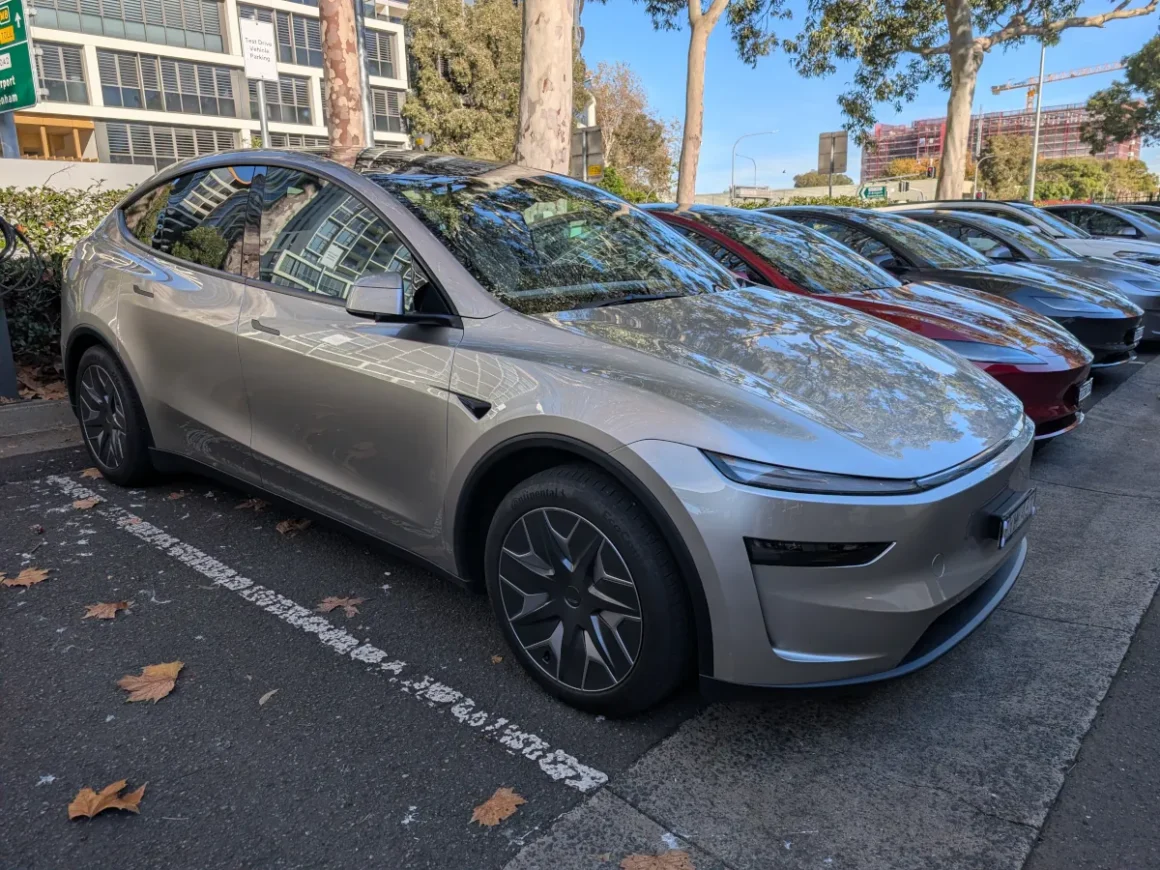
The Electric Vehicle Revolution Accelerates
The global electric vehicle (EV) market is entering a new era in 2024, marked by breakthroughs in battery technology, expanded charging infrastructure, and government policies aimed at achieving carbon neutrality. As traditional automakers and startups alike race to electrify their fleets, the automotive landscape is transforming faster than ever before. Recent developments across various regions indicate both fierce competition and unprecedented collaboration within the sector.
Rising EV Adoption and Consumer Sentiment
Over the past year, EV adoption has surged across major markets such as the United States, Europe, and China. Consumer demand continues to grow as electric cars become more attainable, and charging times decrease thanks to advances in high-capacity, silicon-anode and lithium-iron-phosphate (LFP) batteries. Analysts note that in some European countries, EVs accounted for over 25% of all new car sales by mid-2024. In the United States, government incentives combined with state-level zero-emission mandates have encouraged a wave of EV purchases, leading to record-setting quarterly deliveries for several automakers.
Battery Innovation Drives Competitive Advantage
Battery performance and supply chain resilience remain at the forefront of the industry’s priorities. Manufacturers are increasingly investing in next-generation solid-state batteries, which promise greater energy density, enhanced safety, and faster charging times. Companies have announced pilot programs that could bring solid-state vehicles to market as soon as 2026. Meanwhile, recycling and second-life battery programs are gaining traction as part of circular economy strategies. These initiatives aim to minimize lithium and cobalt dependency and reduce the environmental impact associated with battery production.
The Charging Ecosystem Expands
The growth of public and private charging infrastructure has become a cornerstone of EV accessibility. Major charging providers are entering partnerships with retail giants, supermarkets, and real estate developers to install thousands of new fast chargers across highways and urban areas. In Europe, ultra-fast charging stations capable of delivering up to 350 kW are helping address range anxiety and supporting the shift toward long-distance EV travel. North America has also seen improvements, with the implementation of national fast-charging networks and incentives that encourage businesses to host new charging sites. At the same time, wireless and vehicle-to-grid (V2G) charging solutions are emerging, signaling a future where EVs become active participants in smart energy grids.
Automaker Strategies: From Luxury to Mass Market
Legacy automakers have increased their investments in electrification projects, shifting production capacity toward battery-powered models. Luxury brands continue to lead the way with premium electric offerings, but the real test lies in mass-market affordability. New mid-range EVs with competitive pricing and improved range are poised to capture mainstream consumers in the next two years. The trend of shared EV platforms across multiple vehicle types—compact crossovers, sedans, and even pickup trucks—dramatically reduces production costs and development times.
Policy Support and Global Investment
Governments worldwide are implementing stricter emission standards and offering financial incentives to promote cleaner transportation. The European Union’s Fit for 55 initiative, China’s extensive subsidy programs, and the Inflation Reduction Act in the United States have collectively sparked record investment in the EV supply chain. According to recent market analyses, cumulative EV-related investments are expected to surpass $1.7 trillion by 2030, encompassing everything from battery production to semiconductor supply.
Challenges Ahead: Supply Chain and Infrastructure Balance
Despite optimistic projections, the industry faces challenges. Supply chain bottlenecks for critical minerals, semiconductor shortages, and high raw material costs have delayed production for several automakers. Additionally, rural charging gaps remain a concern, especially in emerging markets where infrastructure has not kept pace with vehicle sales. Collaboration between governments, utilities, and private investors will be vital to ensure equitable access to electric mobility.
The Rise of Electric Commercial and Heavy-Duty Vehicles
Beyond passenger cars, electrification is rapidly spreading to commercial fleets and heavy-duty transport. Electric buses and delivery vans are becoming increasingly common in urban environments, driven by stricter local emission zones and the appeal of lower operating costs. Recent pilot programs featuring long-haul electric trucks in North America and Europe suggest that logistics firms are ready to make significant shifts toward sustainable transport. Battery pack upgrades and the emergence of on-route megawatt charging systems are facilitating this transformation.
Looking Ahead
The next few years will define the trajectory of global mobility. As the EV ecosystem continues to mature, the convergence of clean energy initiatives, advanced battery research, AI-driven vehicle systems, and supportive policy frameworks will solidify the transition to an emissions-free future. Market analysts predict that by 2030, EVs could represent nearly half of all new vehicle sales worldwide.
While challenges persist, momentum is undeniable. The electric vehicle revolution is not merely a trend—it represents a structural reimagining of transportation as we know it. With every innovation, partnership, and policy shift, the world inches closer to a cleaner, more connected, and sustainable automotive era.