
Mercedes Takes a Bold Leap With the All‑Electric VLE Luxury Van
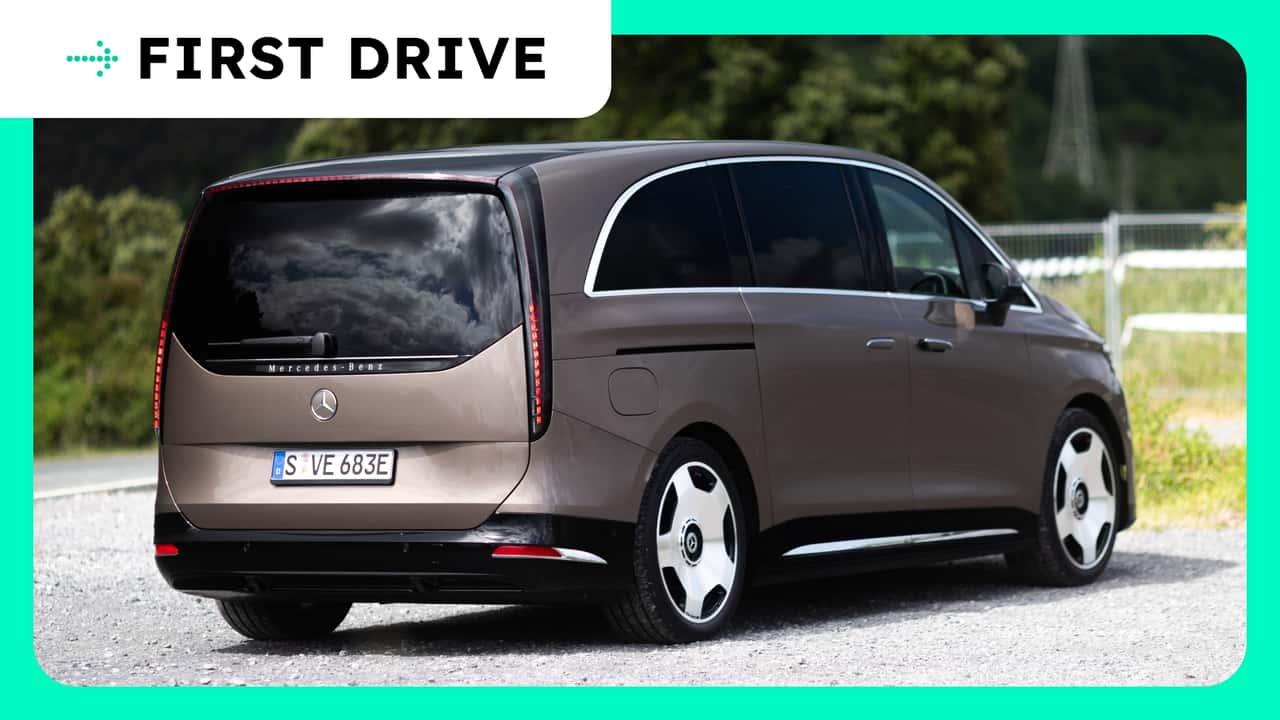
Mercedes‑Benz is not a company known for taking reckless chances. Its vehicles are usually planned years in advance, and decisions are filtered through countless risk assessments and cost analyses before anything reaches production. That’s why the debut of the upcoming all‑electric Mercedes‑Benz VLE — a luxury van unlike anything the brand has offered before — feels especially surprising. Even more remarkable is that Mercedes plans to bring it to the United States, where the market for luxury vans is virtually nonexistent.
A Van That Dares to Be Different
When Mercedes officially launches the VLE lineup globally, American customers will eventually have access to three models: the standard VLE, the higher‑spec VLS, and the range‑topping VLS Maybach edition. These are not simply converted versions of existing combustion‑engine vans. Instead, Mercedes has developed an all‑new electric platform, purpose‑built to deliver refinement, space, and comfort befitting the brand’s luxury reputation. The company expects the VLE to reach U.S. showrooms around 2028.
Underneath its practical body, the 2028 Mercedes‑Benz VLE 400 features a 115‑kilowatt‑hour NMC battery pack, powering dual permanent‑magnet synchronous motors. Together, they produce 415 horsepower and 490 pound‑feet of torque, enough to propel the van from zero to 60 mph in roughly 6.4 seconds. The estimated driving range is an impressive 435 miles under the WLTP standard, though real‑world results in the U.S. may vary depending on driving style and highway speeds. The expected as‑tested price hovers around $135,000, positioning the VLE as a premium product aimed squarely at affluent buyers seeking something outside the SUV mainstream.
Luxury, Reimagined for a Van
Mercedes faces a fundamental challenge in convincing buyers that a van can be an instrument of luxury. Traditionally, vans have been the domain of tradespeople and families, not the upper‑crust clientele accustomed to expensive sedans and SUVs. To bridge that gap, Mercedes made its new electric platform as refined and quiet as possible. Engineers stiffened the structure for better ride quality and reduced road noise, then filled the cabin with additional sound insulation and improved bushings to smooth out vibration. The result is a vehicle that glides along serenely — at least until the suspension finds a pothole too large for its soft tuning.
A flat floor, made possible by clever packaging of the rear suspension and battery modules, gives the interior a light and open feeling. Long‑wheelbase models will become the U.S. standard, equipped with panoramic glass roofs, a high‑end Burmester sound system, and Mercedes’ latest triple‑screen MBUX infotainment interface. Inside, the seats are mounted on rails, allowing multiple configurations. Passengers can remove, slide, or recline the second and third rows — including in some versions the extravagant "king’s chairs" borrowed from Mercedes’ uppermost luxury offerings.
MBUX Gets a Makeover
The latest MBUX setup in the VLE improves upon previous versions with enhanced responsiveness, cleaner graphics, and easier menu navigation. Twin 14‑inch center and passenger displays join a crisp 10.25‑inch digital gauge cluster. Mercedes has packed the screens with detailed animations, but thanks to high resolution and smooth refresh rates, the system feels sleek rather than overwhelming. Many essential functions — such as climate control, driver assistance settings, and seat controls — are now reachable via simplified touch shortcuts, reducing the need to wade through layers of menus.
That said, a few quirks remain. Accessing heated and ventilated seat options requires diving into a submenu, and Apple CarPlay appears in a small window rather than full screen. The augmented‑reality navigation feature adds extra visual flare, projecting directions directly into the real‑world view through the display. It’s undeniably impressive, though some traditionalists may find it slightly distracting at first.
On the Road: Comfort Over Engagement
From behind the wheel, the VLE feels like what it fundamentally is — a large, heavy luxury van. The driving position is upright, the steering column oddly angled, and the pedals set almost flat, a reminder of the vehicle’s utilitarian DNA. Still, the controls are light and linear, making it easy to handle smoothly. While it won’t stir the soul the way an AMG coupe might, it rewards with serenity rather than excitement.
The second‑row seats, however, are where the magic happens. With ample reclining adjustment and plush cushioning, they deliver the kind of comfort found in high‑end limousines. The cabin materials are equally premium, with a fit‑and‑finish that rivals Mercedes’ finest sedans. Test drives in Europe suggest the VLE achieves excellent noise suppression at highway speeds thanks to its refined chassis and insulation. The suspension favors a soft, floating ride, though large road imperfections can cause it to bottom out slightly.
Efficiency and Future Appeal
During mixed‑use testing, observed efficiency hovered around 3.6 to 3.8 miles per kilowatt‑hour — strong numbers given the van’s size and power. Realistically, results on American highways could drop closer to 3 miles per kilowatt‑hour, but even that would make the VLE one of the most efficient electric vehicles anywhere near its size or luxury class.
The lingering question is whether American buyers will embrace such a vehicle. At an estimated starting price near six figures, the VLE will compete against high‑end SUVs rather than minivans. Yet its combination of range, comfort, and lounge‑like flexibility may resonate with families or professionals seeking something unique. With its bold design direction, Mercedes aims to redefine what a luxury vehicle can be — and the VLE could very well become the most intriguing long‑distance cruiser the brand has ever made.