
Electric Vehicle Landscape 2024: Innovations, Challenges, and Market Shifts
The Changing Face of Electric Mobility
The electric vehicle (EV) sector continues to be one of the most dynamic industries in the global marketplace. As we reach the mid-2020s, a combination of technology breakthroughs, policy shifts, and consumer enthusiasm is driving a massive reconfiguration of both transportation and energy systems. The latest wave of EV news illustrates a rapidly evolving landscape characterized by fierce competition, new investment flows, and broader ecosystem integration.
Electric vehicles have moved far beyond niche status. Global EV sales have been breaking records every quarter, propelled not just by tightening emissions regulations but also by the growing realization that electrification offers both immediate and long-term economic value. In 2024, most major automotive brands report that their EV orders and deliveries are now a significant share of total production. Even legacy automakers once hesitant to fully commit to electric platforms are accelerating program timelines and retooling plants for battery-based production.
Powertrain and Battery Innovation
Battery technology remains at the heart of EV development. The past year has seen major announcements around energy density improvements, fast-charging infrastructure, and solid-state battery pilot programs. Several start-ups have begun rolling out lithium-metal and semi-solid prototypes that promise over 30% range improvements compared to standard lithium-ion packs. Equally important are innovations in sustainable sourcing and second-life applications for used batteries. Multiple automakers are launching programs that repurpose EV batteries for stationary storage, bridging the gap between the automotive sector and renewable energy management.
The cost of battery packs continues to fall, though price volatility in lithium and nickel has occasionally slowed progress. Analysts forecast that by 2026, most EVs in mass market segments will achieve price parity with internal combustion vehicles. Meanwhile, research into sodium-ion batteries and alternative chemistries offers hope for reducing reliance on scarce materials.
Charging Infrastructure and Energy Grids
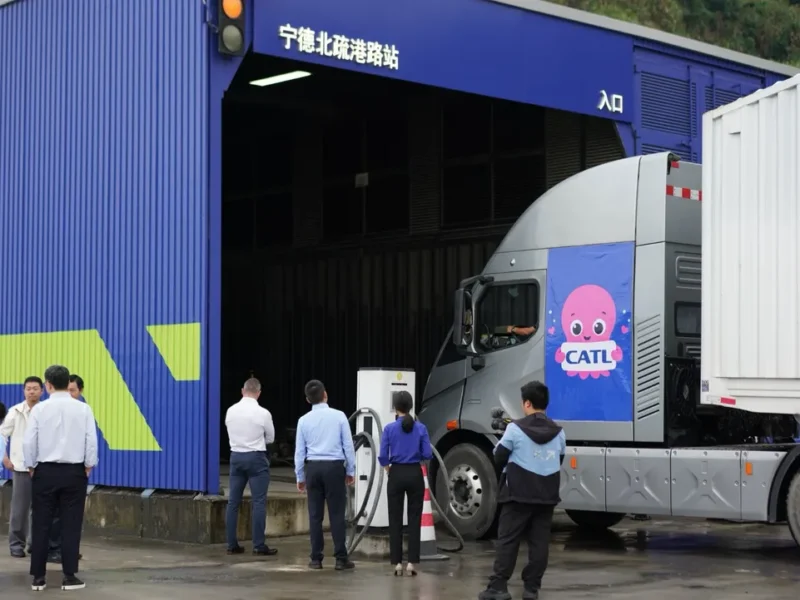
One of the most pressing topics in EV news remains charging accessibility. Governments and private firms are racing to expand fast-charging networks along major highways and urban corridors. This push now includes standardization efforts around plug types, payment systems, and reliability benchmarks. The integration of renewable energy sources and bidirectional charging is also taking shape, enabling EVs to become mobile nodes in future smart grids.
Utilities are investing heavily in infrastructure to support both residential and commercial EV demand. Vehicle-to-grid (V2G) technology, once only a concept, is being tested in multiple pilot programs across Europe, Asia, and North America. These initiatives suggest that EVs could play a critical role in balancing loads, particularly during periods of high renewable output or grid stress.
Policy and Market Forces
Regulatory action remains a key driver of EV adoption. Many countries are tightening fleet-wide CO₂ limits and setting ambitious phaseout timelines for gasoline-powered cars. In parallel, new incentive structures—ranging from purchase subsidies to tax credits for charging installation—continue to encourage consumers. Municipal initiatives aimed at electrifying public transit fleets are also on the rise, creating ripple effects throughout the supply chain and creating new demand for medium and heavy-duty electric platforms.
Nevertheless, challenges persist. Supply-chain disruptions, geopolitical tensions, and uneven charging network distribution create headwinds for sustained growth. The semiconductor shortage, lingering from earlier years, remains a factor in production scheduling, though improved logistics and increased domestic manufacturing capacity are gradually alleviating bottlenecks.
Global Players and Competitive Dynamics
The market is witnessing a fascinating convergence of traditional manufacturers, new entrants, and technology firms. Legacy automakers have learned from the rapid success of pure EV brands and are implementing direct-to-consumer models, connected software ecosystems, and over-the-air update capabilities. Simultaneously, emerging automotive technology companies are scaling production and establishing global footprints, with aggressive expansion particularly in Southeast Asia and Europe.
Partnerships between automakers, battery suppliers, and semiconductor companies are more common than ever. Joint ventures are securing raw materials and developing next-generation powertrain architectures. At the same time, increasing attention is being paid to circular economy principles—designing cars with end-of-life recyclability in mind and ensuring ethical supply-chain practices.
Consumer Trends and Next Steps
Consumers are becoming more informed and demanding in their expectations. Range anxiety, once a dominant concern, is slowly giving way to questions about software features, autonomous capabilities, and sustainability credentials. EV owners now expect seamless integration with digital platforms, efficient navigation toward charging stations, and remote firmware updates to enhance performance over time. Automakers that can align product reliability with software sophistication are increasingly being rewarded with strong brand loyalty.
Fleet operators are also accelerating their transition to electric. Logistics and last-mile delivery companies report substantial cost savings from switching to EVs, especially in urban centers with emissions regulations. Advances in battery management systems allow optimized routing and energy monitoring, ensuring that operational efficiency matches environmental benefit.
Outlook for 2025 and Beyond
Looking ahead, the path for EVs seems set to remain on an upward trajectory. The convergence of technology, infrastructure, and policy is fostering conditions for sustained growth. Future competition will hinge not only on how far vehicles can travel per charge but also on how effectively companies integrate EVs into broader energy ecosystems. Emerging technologies such as wireless charging, solid-state batteries, and AI-driven fleet management will play pivotal roles in shaping market dynamics.
Despite ongoing uncertainty in global supply chains and macroeconomic environments, the momentum behind electric mobility shows no sign of slowing down. As automakers, governments, and consumers collectively commit to the energy transition, the next few years will likely define a new era in transportation—one where innovation, sustainability, and accessibility stand at the core of how the world moves.