
Xiaomi’s SU7 EV Redefines Expectations for Affordable Performance Luxury
Xiaomi’s SU7 EV Redefines Expectations for Affordable Performance Luxury
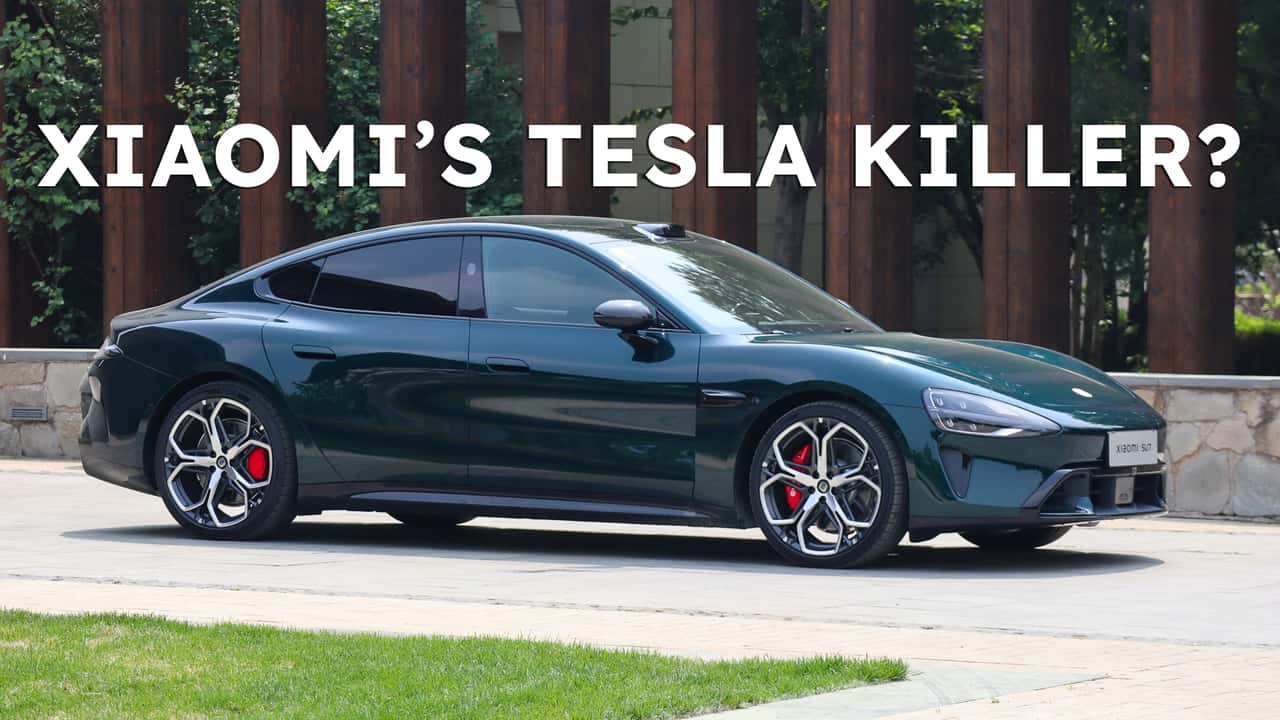
Xiaomi may be best known for its smartphones and smart home gadgets, but its foray into the automotive world continues to draw serious attention. The updated SU7, Xiaomi’s high-performance electric sedan, is being hailed as a breakthrough achievement for a company that only recently entered the EV space. Since its launch in 2024, the car has rapidly become one of China’s fastest-selling electric vehicles—winning praise from both critics and consumers for offering premium performance at a relatively accessible price.
A Global Contender Born in China
The SU7 made waves upon its debut for rivaling names typically associated with cutting-edge EV technology and refinement, such as Porsche and Tesla. Yet the most striking aspect isn’t just the car’s capability—it’s how Xiaomi delivers that performance at a price point lower than the Tesla Model 3 within the Chinese market. For many analysts, this balance of price and performance signals that Xiaomi isn’t simply dabbling in EVs; it’s here to reshape the global conversation about what a new-age electric car company can be.
Building on Early Success
Those who have driven Xiaomi’s earlier model, the YU7 crossover, were already taken aback by the company’s ability to design a polished and technologically advanced vehicle so early in its automotive journey. The YU7 demonstrated strong engineering fundamentals and a polished user experience that aligned perfectly with Xiaomi’s electronics heritage. However, the new SU7 ups the ante dramatically. Not only does it offer increased power, a more sophisticated suspension setup, and an upgraded interior, it feels tailor-made to convert skeptics into believers.
During a recent test drive in China, reviewers had the opportunity to spend an entire day behind the wheel of the refreshed SU7. The car left a lasting impression—not only in terms of raw performance but also in how cohesively it integrates comfort, design, and driving engagement. It’s one thing for a newcomer to build a competent EV; it’s another to create one that genuinely competes with decades-old brands known for fine-tuned driving experiences. Xiaomi appears to have crossed that line.
Power, Range, and Sophistication
The top-tier SU7 Max variant showcases what Xiaomi’s engineering team is capable of. Equipped with dual electric motors developed in-house, the powertrain delivers an impressive 680 horsepower—giving the car sports sedan credentials that rival or exceed far pricier competitors. Energy comes from a 101.7 kWh battery, granting the car a claimed range of up to 519 miles per charge. It's worth noting, though, that this estimate is based on China’s CLTC testing cycle, which is generally more optimistic than Europe’s WLTP or America’s EPA standards. Even so, the SU7’s efficiency-to-performance ratio remains among the best in its segment.
Despite its power, what surprises many drivers most is how refined and balanced the car feels. Xiaomi’s engineers have paid close attention to suspension tuning, cabin insulation, and throttle response, producing a vehicle that manages to be both smooth on long commutes and engaging on twisty backroads. Reviewers have commented that the SU7 feels confident and grounded—dynamic when pushed, yet comfortable when cruising.
A Design That Blends Familiarity and Futurism
Visually, the SU7’s low-slung stance and sculpted surfaces contribute to a sleek, almost European aesthetic. Inside, the interior reflects Xiaomi’s design philosophy: minimalist, tech-forward, and intuitively arranged. A large central touchscreen integrates seamlessly with Xiaomi’s connected ecosystem, allowing drivers to interact with their devices, apps, and home systems effortlessly. The result is an experience that blends automotive engineering with digital lifestyle integration in ways few other EVs manage.
Global Ambitions on the Horizon
While Xiaomi’s current focus remains on its home market, the company has made no secret of its global ambitions. Plans to expand into Europe appear to be in motion, and the SU7 is likely to lead that international push. Analysts expect that if Xiaomi can keep the pricing competitive and meet regional safety and infrastructure requirements, the car could quickly gain traction among European buyers seeking high-quality performance without the luxury-brand markup.
The Chinese electric vehicle scene is becoming increasingly crowded, but the SU7 stands out as evidence of a brand maturing faster than anyone expected. Having already sold more than 380,000 units domestically, Xiaomi has built credibility and momentum that many startups struggle to achieve. The next logical step is proving that this success can translate across borders.
The Road Ahead for Xiaomi Motors
What’s clear is that Xiaomi has leveraged its deep expertise in hardware design, software development, and ecosystems to create something holistic—an EV that feels as smart and integrated as the company’s electronic devices. By controlling its own motor production, battery systems, and software stack, it has sidestepped some of the common pitfalls faced by new entrants.
If the early buzz is any indication, the SU7 may not just be a hit in China—it could become a benchmark for what’s possible when consumer electronics innovation meets automotive engineering. With solid performance numbers, a refined driving character, and the brand’s tech-savvy approach, Xiaomi seems poised to redefine expectations of what an affordable performance EV can be.
In an industry dominated by legacy automakers and expensive upstarts, Xiaomi’s SU7 represents something refreshingly different: a car that brings premium driving experiences to a broader audience while signaling the dawn of a new chapter in electric mobility.