
Electric Mobility Update: The Rapid Transformation of the EV Landscape in 2024
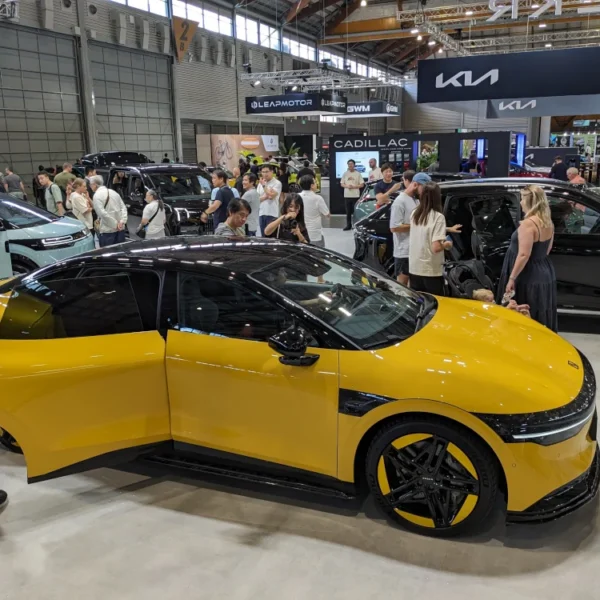
Electric Vehicle Market 2024: A Turning Point for Sustainable Mobility
The global electric vehicle (EV) sector is undergoing a defining transformation in 2024, marked by extraordinary innovation, deep collaborations between traditional automakers and tech firms, an accelerating charging infrastructure rollout, and renewed government support. The pace of change in EV technology, battery chemistry, and manufacturing efficiency has brought the industry out of its niche and solidly into the mainstream. This overview consolidates the dominant stories and developments currently shaping the future of electric transportation.
Range and Battery Breakthroughs
One of the most significant shifts observed this year concerns energy storage technology. Multiple manufacturers have announced next-generation batteries that promise remarkable range improvements while reducing manufacturing costs. Solid-state batteries are progressing from prototype to near-production phases, with early fleets expected to reach commercial deployment by late 2025. These batteries not only provide greater energy density but also cut charging times nearly in half. Parallel advances in lithium iron phosphate (LFP) and sodium-ion formulations have diversified supply chains, offering more sustainable alternatives that use abundant raw materials.
Battery recycling and second-life use are also stepping into mainstream operations. Companies are establishing closed-loop ecosystems, ensuring that valuable materials like lithium, nickel, and cobalt are reintroduced into supply cycles rather than discarded. This shift is reducing dependency on virgin mining and aligning with stricter global sustainability standards.
Expanding Charging Infrastructure
Infrastructure remains a central theme in the EV transition. This year has seen the opening of high-capacity charging corridors across Europe, North America, and parts of Asia. Fast-charging networks offering up to 350 kW are now becoming increasingly common, allowing compatible vehicles to add hundreds of miles of range in minutes. Standardization efforts are also progressing, particularly in connector interfaces, with more automakers adopting unified charging standards to eliminate user confusion.
Meanwhile, the emphasis on renewable-powered charging stations is intensifying. Solar-integrated canopies, battery-coupled urban chargers, and smart-grid-enabled models are becoming more prevalent. In some regions, charging hubs double as microgrids that can feed power back to the local grid during demand peaks, demonstrating a two-way synergy between EVs and the energy sector.
The Role of Policy and Incentives
Governments are doubling down on commitments to phase out internal combustion engines. Numerous regions have advanced their timelines, aiming for predominantly electric fleets by 2035 or earlier. Incentive programs remain vital in maintaining momentum: purchase rebates, tax breaks, and reduced registration fees continue to mitigate the up-front cost barriers. Some countries are merging these incentives with localized industrial policies, promoting domestic EV production to safeguard jobs and economic stability.
Corporate fleets are an increasing area of influence. New regulatory frameworks are encouraging logistics companies, municipalities, and corporate transport providers to adopt electric drivetrains. As a result, the medium- and heavy-duty EV market is gaining traction, with electric trucks and vans increasingly visible on highways and urban delivery routes.
Automaker Strategies and Market Competition
Traditional carmakers have reached a decisive point in their electrification strategies. They are diversifying product portfolios rather than limiting electric options to premium segments. Compact urban EVs, family-oriented SUVs, and affordable hatchbacks dominate new announcements. Low-cost models targeted at emerging markets are particularly crucial in achieving global EV penetration and reducing emissions.
Meanwhile, EV-only startups are refining their manufacturing efficiency and software integration. Over-the-air updates, autonomous driving functionalities, and connected-car ecosystems are key differentiators. Software-centric design philosophies are influencing traditional manufacturers to rethink product lifecycles—turning vehicles into dynamic, upgradeable platforms rather than static purchases.
Battery Supply Chains and Sustainability Challenges
Despite technological and market optimism, the industry faces challenges surrounding material sourcing. Efforts to ensure responsible mining practices are intensifying, especially in the procurement of lithium, nickel, and cobalt. Innovators are exploring alternative chemistries to minimize ethical and environmental impacts. Global partnerships are forming to establish transparent supply networks, and blockchain-based traceability systems are being piloted to guarantee origin verification.
Sustainability is also shaping the entire lifecycle of EV manufacturing, from production energy consumption to end-of-life recycling. Several companies have pledged carbon-neutral production goals by the end of the decade, incorporating renewable power and circular-economy strategies.
Consumer Adoption and Market Outlook
Consumer interest shows no sign of slowing. More competitive pricing, expanded model diversity, and improved charging convenience are pushing EVs toward a tipping point. In many metropolitan areas, EVs already represent a double-digit percentage of new vehicle registrations. As leasing and subscription models gain popularity, access to electric mobility is widening beyond traditional ownership bounds.
Public sentiment has evolved too—from early curiosity to practical acceptance driven by economic rationale. With lower operational costs, government incentives, and higher resale values, EVs are increasingly perceived as long-term investments.
Conclusion
The electric vehicle ecosystem is now an essential pillar of the global automotive industry. As policy, consumer behavior, and innovation converge, 2024 marks one of the most transformative periods in the journey toward fully sustainable, electrified mobility. The momentum observed today will influence how cities are planned, how energy systems evolve, and how society redefines transportation in an era increasingly defined by climate responsibility and technological progress.