
Electric Vehicle Industry Accelerates: Key Developments Shaping the EV Landscape in 2024
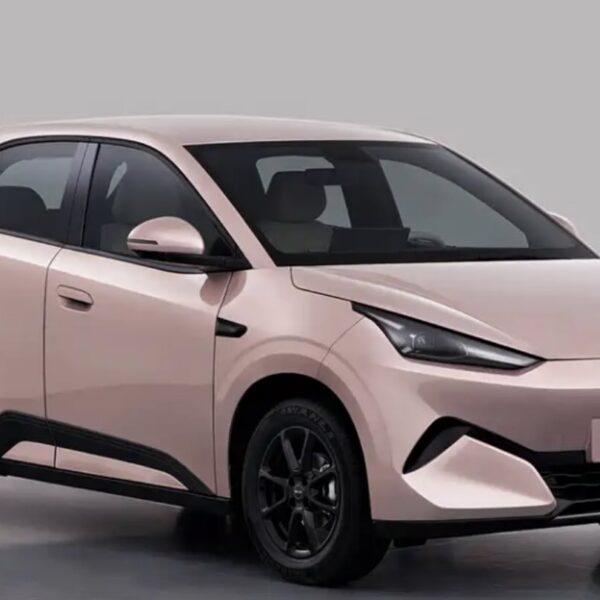
The Rapidly Evolving World of Electric Vehicles
The global electric vehicle (EV) sector is entering one of its most transformative phases yet. Over the past few months, multiple automakers, battery producers, and policymakers have announced significant strides that collectively indicate a new chapter in sustainable mobility. From advancements in solid-state batteries to expanding charging networks and bold manufacturing targets, the momentum behind EVs is undeniable. This comprehensive overview explores the latest trends, innovations, and market developments shaping the EV industry through 2024.
Battery Breakthroughs and Cost Reductions
Battery innovation remains the heartbeat of progress within the EV ecosystem. Over the past year, several companies have reported major milestones in solid-state battery technology—a long-sought-after goal for the industry. These next-generation cells promise higher energy density, faster charging times, and improved safety compared to traditional lithium-ion designs.
One of the most noteworthy advancements comes from research partnerships between established automakers and energy startups working to move solid-state chemistry from the lab to commercial production. Manufacturing challenges remain—the need for scalable solid electrolytes and stable interfaces is substantial—but the trajectory is clear: within a few years, the cost per kilowatt-hour of stored energy may fall below the $70 mark, a threshold that could make EVs price-competitive with combustion vehicles even before subsidies are applied.
Charging Infrastructure Expands Globally
No matter how efficient EVs become, they depend on widespread, reliable charging networks. Governments and private companies alike are investing billions to increase charging coverage at both urban and rural scales. Recent international initiatives have focused on interoperability, enabling drivers to use a single payment card or app across multiple charging networks.
In Europe, the expansion of ultra-fast corridors along major highways has been a game changer. In North America, strategic deployment of 350 kW stations—capable of replenishing a modern EV battery to 80% in under 15 minutes—is paving the way for long-distance EV travel without compromising convenience. Meanwhile in Asia, several cities are piloting wireless induction charging lanes, a futuristic concept that could one day allow continuous power transfer as vehicles move.
Automakers Double Down on EV Commitments
Unlike the cautious rollouts of previous years, 2024 has seen a firm commitment from virtually every major automotive manufacturer to electrify their fleets. New model launches now span every vehicle category—from affordable compact city cars to electric pickup trucks and performance sedans. Automakers no longer treat electric vehicles as niche experiments but as the core of their long-term strategies.
There is also a notable shift toward modular platform design. By standardizing EV architectures across models, companies can drastically reduce production costs while improving manufacturing flexibility. This, in turn, accelerates the introduction of new variants with extended range, improved thermal management, and more engaging driving dynamics.
The Role of Policy and Investment
Government policy continues to be a decisive factor in shaping the EV landscape. The combination of zero-emission mandates, tax incentives, and climate legislation is creating an environment conducive to mass adoption. Several nations have moved forward with plans to ban new internal-combustion engine vehicle sales by the mid-2030s, signaling an irreversible shift.
At the same time, sovereign wealth funds, private equity, and institutional investors are directing record levels of capital toward EV manufacturing, battery supply chains, and critical mineral extraction. As demand for lithium, cobalt, and nickel grows, sustainability in sourcing has become a key talking point. Automakers increasingly require transparent supply chains to meet environmental, social, and governance (ESG) standards.
Advances in Energy Management and Vehicle-to-Grid (V2G) Technology
Another major frontier is the integration of EVs into the broader energy ecosystem. Vehicle-to-Grid (V2G) and Vehicle-to-Home (V2H) technologies are transforming vehicles from passive consumers of electricity into active participants in energy management. In pilot projects around the world, fleets of EVs have successfully supplied stored power back to the grid during peak demand periods.
This bidirectional flow not only supports grid stability but also provides EV owners with additional revenue streams. As software platforms evolve, expect more dynamic pricing models that reward drivers for charging when renewable energy supply is high and discharging during times of scarcity.
Regional Market Highlights
Europe’s aggressive emissions reductions and charging infrastructure initiatives have made it a global leader in EV adoption. China, however, continues to hold the crown for production scale, supported by advanced battery manufacturing and a vast domestic market. In the United States, adoption rates are climbing rapidly thanks to new federal investments in charging corridors and clean energy manufacturing incentives.
Emerging markets are also entering the EV conversation. Countries in Latin America, Africa, and Southeast Asia are developing local assembly plants and policy frameworks to reduce dependency on imported fossil fuels while creating new employment opportunities in green industries.
The Road Ahead
As 2024 unfolds, the EV industry stands at the crossroads of maturity and innovation. Key challenges remain: improving charging accessibility in rural areas, ensuring ethical raw material sourcing, and balancing the load on electricity grids. Yet, the surge of creativity, investment, and collaboration seen in recent months underscores that this is more than a passing trend—it is the new mobility paradigm.
In the coming decade, success will depend not only on technology but on the ability of industries, governments, and consumers to work together toward a shared goal: a cleaner, smarter, and electrified future for transportation. The race is accelerating, and the energy is electric indeed.