
 Buy & Sell
 All EV Sales
 Explore
 Account
 Back to News
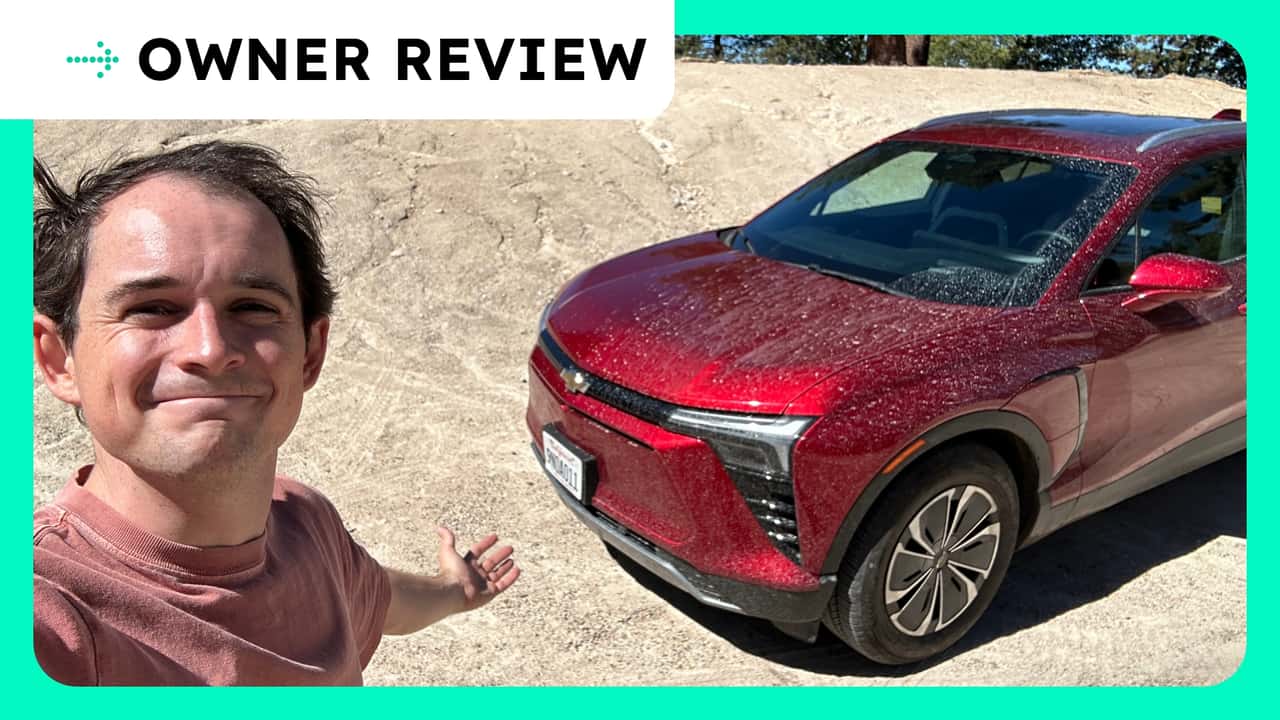
 After two years behind the wheel of a 2024 Chevy Blazer EV, returning the keys feels unexpectedly emotional. What was meant to be a temporary lease—a filler between gas-powered nostalgia and future electric ambitions—became something deeper. The Blazer EV arrived as a pragmatic choice, not a dream car, but it ended up redefining what driving could be.
At first glance, the Blazer EV wasn’t the kind of vehicle meant to stir passion. When it unexpectedly earned MotorTrend’s 2024 SUV of the Year award, many EV enthusiasts were surprised. Compared with competitors like the Ford Mustang Mach-E, Volkswagen ID.4, and Tesla Model Y, Chevrolet’s midsize electric SUV seemed average on paper. It was heavy, modestly efficient, and slower to charge. But then a surprisingly attractive lease deal caught attention—just over $8,000 all in for two years—and that affordability made it irresistible.
The vehicle’s capabilities turned out to be quietly impressive. With 7.9 inches of ground clearance, solid approach and departure angles, and a stance nearly identical in height to an older Tahoe, the Blazer EV could handle weekend camping trips across California. It wasn’t designed for rugged off-roading, but for dirt trails, state parks, and dispersed campgrounds, it was more than capable. The experience quickly proved the EV didn’t have to be an asphalt-only commuter.
Inside, Chevrolet had loaded the Blazer EV with features usually reserved for pricier models: a vast central display, advanced driver assistance systems, heated seats and steering wheel, and a generous 360-degree camera setup. For comfort and tech value, few crossovers matched it at that price point. The driver grew attached to the Radiant Red paint and panoramic glass roof—small indulgences that made every drive feel special.
Living with the Blazer became an education in how profoundly an electric vehicle can change one’s relationship with driving. EV ownership removed familiar irritations: there was no fuel pump, no engine noise, no shifting gears, no warm-up time. Every commute became quieter, smoother, and more direct. Features like one-pedal driving, seamless Google integration, and streaming apps turned routine errands into a calm, connected experience.
Even daily habits shifted. The car didn’t need to be started or shut down in a traditional sense—the driver simply got in and drove. The interior controls struck the right balance between physical buttons and modern digital interfaces, avoiding the overly touch-based systems of some competitors. The ability to keep the air conditioning running while making a quick store run—particularly handy for keeping a pet cool—was a small but thoughtful touch that highlighted how thoroughly EVs can accommodate real-world life.
On longer trips, the Blazer proved reliable if not lightning-fast at charging. It wasn’t built for constant high-speed road tripping, but most journeys fit comfortably within its range. The owner learned that most charging occurred passively—during overnight stops or food breaks—making the supposed inconvenience of charging nearly a nonissue.
Over time, the vehicle subtly evolved. Software updates fixed early bugs and added small refinements, even boosting charge performance. New features came via over-the-air updates, including an AI assistant and app integrations. Watching the car improve itself through software brought a hint of futuristic excitement. Yet that very process turned frustrating when certain features—such as built-in streaming for Apple Music and popular video apps—arrived for newer Blazer models but not the 2024 version. The rollout was inconsistent, communication poor, and updates felt random. For a car advertised as part of GM’s “software-defined” Ultium ecosystem, the reality fell short.
The dealership experience reinforced those mixed feelings. Many dealers still struggled to handle EV servicing efficiently. Getting a simple tire rotation or firmware update could mean waiting for an EV-certified technician to become available. The infrastructure built around the vehicle lagged far behind the car’s technological promise. Compared with the streamlined, centralized approach Tesla uses for updates and support, GM’s system felt old-fashioned and fragmented.
Still, all those frustrations didn’t overshadow what the Blazer EV did right. It proved that even a mid-tier electric crossover delivers a fundamentally better everyday experience than most gas-powered alternatives: smoother, cleaner, more responsive, and drastically cheaper to operate. The convenience of home charging and the absence of maintenance tasks like oil changes or spark plug replacements gave driving a newfound lightness.
Handing back the keys now is bittersweet. The Blazer EV may not be the pinnacle of EV technology, but it represents how far the electric age has come. It turned a skeptic into a believer, not with flash or record-breaking specs, but with the quiet competence of a refined, comfortable daily companion. The next car will likely be electric again—not because it must be, but because it simply makes life better.
When the lease ends and the driveway feels a little emptier, there’ll be one clear realization: electric ownership isn’t just the future—it’s already here, and it’s hard to imagine going back.
All EV Sales Research Team
7/13/2026